

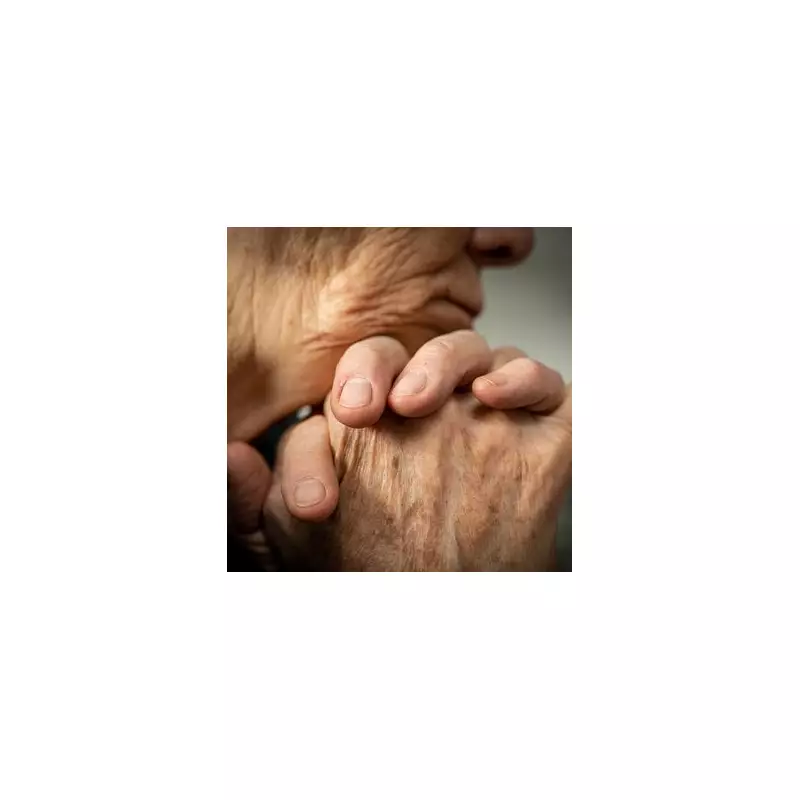
New scientific research has pinpointed two specific ages when the human body undergoes dramatic and accelerated ageing processes, challenging traditional views of gradual decline. The groundbreaking study, which monitored more than 135,000 biological markers across 108 individuals over several years, reveals that physiological ageing occurs in distinct, non-linear patterns rather than as a steady, continuous process.
Key Ageing Thresholds Identified
The comprehensive research, published in the prestigious journal Nature Aging and conducted by a team at Stanford School of Medicine led by Dr Michael Snyder, chair of genetics, found that 81 per cent of molecules associated with ageing changed in non-linear patterns. Rather than progressing steadily, molecular activity underwent rapid shifts at two clearly defined ages: 44 and 60.
These findings suggest that our bodies experience significant biological transitions around these specific points in our lives, affecting numerous physiological functions. The study monitored changes in the body's ability to process substances like alcohol and caffeine, metabolic functions, and susceptibility to cardiovascular disease, all of which showed dramatic shifts at these critical ages.

Challenging Traditional Views of Ageing
For decades, ageing has been viewed as a gradual, continuous process influenced primarily by time, genetics, and environmental factors. However, advances in molecular biology are fundamentally challenging this assumption, revealing that physiological ageing may proceed unevenly across the lifespan rather than at a constant pace.
An article on the science website dailygalaxy.com commented on the significance of these findings, stating: "Aging has traditionally been viewed as a gradual and continuous process shaped by time, genetics, and environment. However, advances in molecular biology are challenging this assumption, revealing that physiological ageing may proceed unevenly across the lifespan rather than at a constant pace."
Potential Causes and Lifestyle Factors
While the study did not identify specific causes for these dramatic ageing shifts, researchers noted that lifestyle changes around these two periods of life may play a significant role. Alcohol intake tends to increase during mid-life, as does stress, while sleep quality typically decreases with age. These factors can have substantial negative impacts on both cardiovascular and immune systems.
The research team hopes their findings could help identify when people may be more susceptible to chronic diseases, as well as assist pharmaceutical companies in focusing treatments and therapies more directly on these critical transition periods.
Personal Experiences Reflect Scientific Findings
Many individuals have shared personal experiences that align remarkably with the study's findings. One Reddit user commented: "Actually relieved to see this because renewing my passport at 54 was pretty shocking. The 44-year-old still looked passably 'young', but the 54 photo hides no time! I have a few years to get used to this face and it'll change again completely at 60."
Another individual described their experience: "Soon after turning 44, I could feel the facial muscles become lax over a year. The skin had weight. I felt it hanging on my face, and I saw it in the mirror." They added a cautionary note about lifestyle factors: "I believe the dramatic change happened because I had been a cigarette smoker for most of my life. I quit about that time, thank goodness. Moral to the story - don't smoke."
Broader Health Implications
The study's findings have significant implications for how we understand and approach health management across different life stages. One participant noted: "My body and health dramatically changed around age 45. I was always naturally thin and toned, low blood pressure, never got sick. Right around age 45 I gained weight, started having aches and pains, kept getting sick, and started just generally looking 'old'. I'm 47 now and in good health, but it all takes a lot of effort now when it used just be natural."

Another individual, aged 65, said the research "explains a lot", adding: "When I turned 60, it was as though someone flipped a switch in my body. Things I could lift easily before were suddenly heavy. I don't expect to be as strong in my 60s as I was as a young man, but I didn't expect the sudden drop off in strength between my 50s and my 60s."
A Note of Hope and Perspective
Despite the dramatic changes identified at these specific ages, some individuals offer a more optimistic perspective. One 68-year-old commented: "68 and unbroken here. Except for the hair and the knees and that pesky cancer scare. Actually, I'm in less discomfort than I was from 25 to 35, when I had chronic back pain. I would not trade that for the thick lustrous hair I had then."
This research represents a significant advancement in our understanding of human ageing, providing new insights that could transform how we approach health maintenance, disease prevention, and therapeutic interventions throughout the lifespan. By identifying these critical transition points, scientists hope to develop more targeted approaches to managing the ageing process and maintaining health and vitality across all life stages.





