

Neuromodulation: The Celeb-Endorsed Brain Tech Trend Explained
In an era where mental wellness is increasingly prioritised, a novel technological approach is capturing public attention: neuromodulation. This practice, which involves stimulating the brain or nerves to alter neuronal activity, has garnered endorsements from high-profile figures like tennis icon Serena Williams and wellness entrepreneur Gwyneth Paltrow. But what exactly is it, and how does it function in the realm of modern healthcare?
From Science Fiction to Reality: The Rise of Neurostimulation
Once a concept relegated to speculative fiction, neurostimulation has firmly entered the mainstream. Today, consumers can purchase devices online that promise to reset the vagus nerve or enhance cognitive function, marketed under the broad umbrella of neuromodulation. Social media platforms such as Instagram and TikTok are saturated with advertisements for these gadgets, while private clinics offer more intensive treatments like repetitive transcranial magnetic stimulation (rTMS) for conditions including depression and anxiety.
Serena Williams recently shared a sponsored post detailing her ExoMind journey, framing it as a form of self-care. Similarly, Gwyneth Paltrow posted imagery of herself undergoing a treatment with a glowing device attached to her head. These endorsements have sparked curiosity and confusion regarding the applications, safety, and efficacy of such technologies.

Understanding Neurostimulation: Devices and Differences
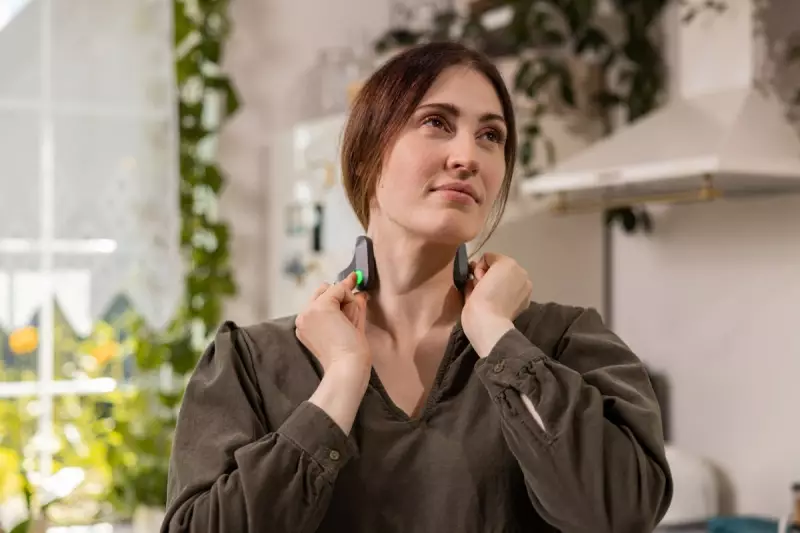
Neurostimulation encompasses a spectrum of methods, ranging from at-home headsets to clinical procedures administered by qualified practitioners. For instance, the Flow headset delivers a current comparable to an AA battery to the dorsolateral prefrontal cortex, aiming to alleviate depression symptoms. Competitors like Neurosym and Pulsetto claim to stimulate the vagus nerve using electrical pulses or ultra-low radiofrequency energy, purportedly managing issues from chronic pain to anxiety.
However, Adam O'Hagan, a specialist rTMS practitioner at Priory Wellbeing Centre Harley Street, cautions that at-home kits may be less effective than in-clinic treatments. He notes, These headsets have great branding but in reality you don't know the exact effects that treatment is going to have on you. Clinical sessions, which last about 30 minutes and use higher-intensity machines, are typically recommended for treatment-resistant depression and related disorders, offering a more controlled environment.
Mental Fitness and the Vagus Nerve Trend
The concept of mental fitness has become a marketing buzzword, with devices promising improved mood, focus, and cognition. Biohackers, including figures like Bryan Johnson, have embraced these tools, yet experts urge scepticism. Dr Faye Begeti, a neurology doctor at Oxford University Hospitals, explains that the term is vague and often lacks robust scientific backing. She emphasises that established habits—such as adequate sleep, exercise, and stress management—hold stronger evidence for enhancing brain function over time.
Social media trends promoting vagus nerve resets have further popularised these devices, but Dr Begeti warns that this oversimplifies complex neuroscience. The nervous system is not something that needs 'resetting' in the way social media often suggests, she states, advocating for a multifaceted approach to mental health that includes professional guidance.
Safety, Risks, and the Verdict on Neurostimulation
While studies on clinical rTMS show promise for treating depression, especially where traditional methods fail, risks cannot be overlooked. Potential side effects include tinnitus, cognitive impairment, and memory issues, though these are rarer with at-home devices due to lower power levels. Dr Begeti highlights concerns about undisclosed stimulation parameters and improper use, advising consumers to research devices thoroughly, check for certifications like FDA approval, and consult experts.

Adam O'Hagan suggests that wearables might aid low mood or anxiety when combined with healthy habits, but they are not a standalone solution. Typically I wouldn't recommend them for people with clinical depression, he notes, pointing to in-clinic rTMS as a viable alternative for severe cases. Ultimately, neurostimulation represents an evolving frontier in mental health support, yet it requires critical evaluation and integration with holistic wellness practices.
As our understanding of mental health advances, hacking the brain with electromagnetic pulses may be just the beginning. For those intrigued by this technology, diligent research and expert consultation are paramount before embarking on any new treatment journey.





