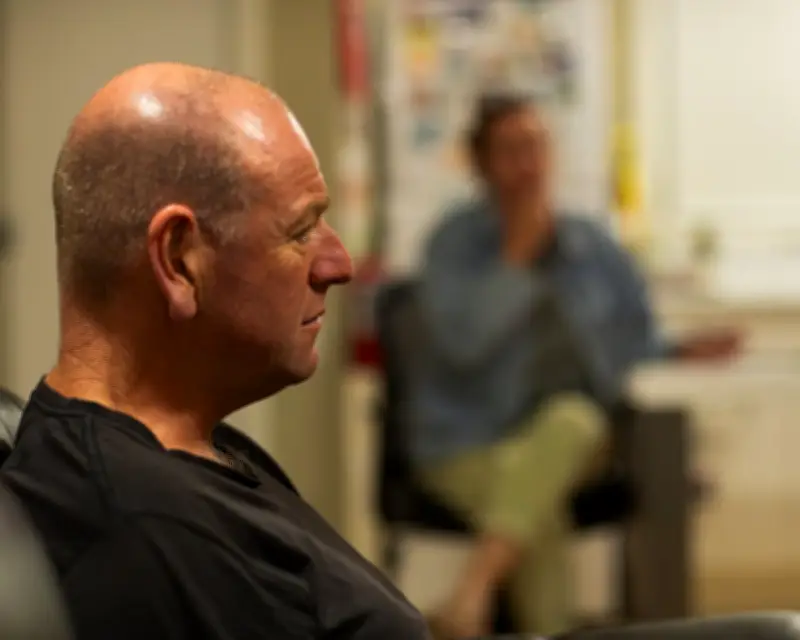
Dane Waites, a 50-year-old man with level three autism, severe intellectual disability, and bipolar disorder, has seen his National Disability Insurance Scheme (NDIS) funding drastically reduced after receiving a compensation payout for historical sexual abuse. The decision has left him unable to afford essential support services that enabled him to live independently.
Background of the case
Waites was sexually abused in the early 1990s at the Catholic-run Churinga Special Residential school. In 2021, he received a confidential compensation sum from St John of God after suing the church. Shortly after the settlement, the National Disability Insurance Agency (NDIA) informed him that his NDIS funding would be slashed under a “compensation reduction amount” rule designed to prevent double-dipping.
His mother, Junee Waites, 83, argues that the compensation was specifically for the abuse and its ongoing effects, not for his lifelong disabilities. “You do not have to be Einstein to realise the Catholic church does not pay out for lifelong disabilities,” she said.
Impact of funding cuts
Waites’ NDIS plan was cut by $25,000 last year and another $25,000 this year. He can no longer afford support services, respite care, or daily activities that helped him cope. His family is under immense strain. “I am so very tired of fighting for my son’s right to have a quality of life, self-esteem, dignity, a sense of security to live as independently as possible with appropriate support,” Junee said.
Legal and advocacy response
The Australian Lawyers Alliance (ALA) has repeatedly advised the government that survivors of historical child abuse should be exempt from compensation recovery. Shaun Marcus, a past ALA national president, stated: “Public policy should be that we exclude these types of claims from recovery… a victim of child sexual abuse should not be subject [to compensation recovery] at all.”
Waites and his mother have taken their case to the Administrative Review Tribunal (ART) to overturn the NDIA’s decision. The case argues that the NDIA incorrectly classified his disability and miscalculated the compensation reduction amount. An NDIA spokesperson declined to comment, citing the ongoing tribunal case.
Broader implications
The process of calculating compensation reduction is complex and opaque. Financial adviser Jane Campbell, who has written guidance on the issue, noted that the NDIA uses a “number no greater than remaining life expectancy” to determine yearly reductions, leading to unpredictable outcomes. This uncertainty discourages abuse survivors from pursuing civil claims. “They say ‘maybe we should never have sued’. That question is being asked more and more,” Campbell said.
Waites, once a champion athlete and strong NDIS advocate, now feels betrayed. In a letter to the tribunal, he wrote: “Mum and I toured NSW helping families feel good about the NDIS. I don’t feel happy about the NDIS now.”