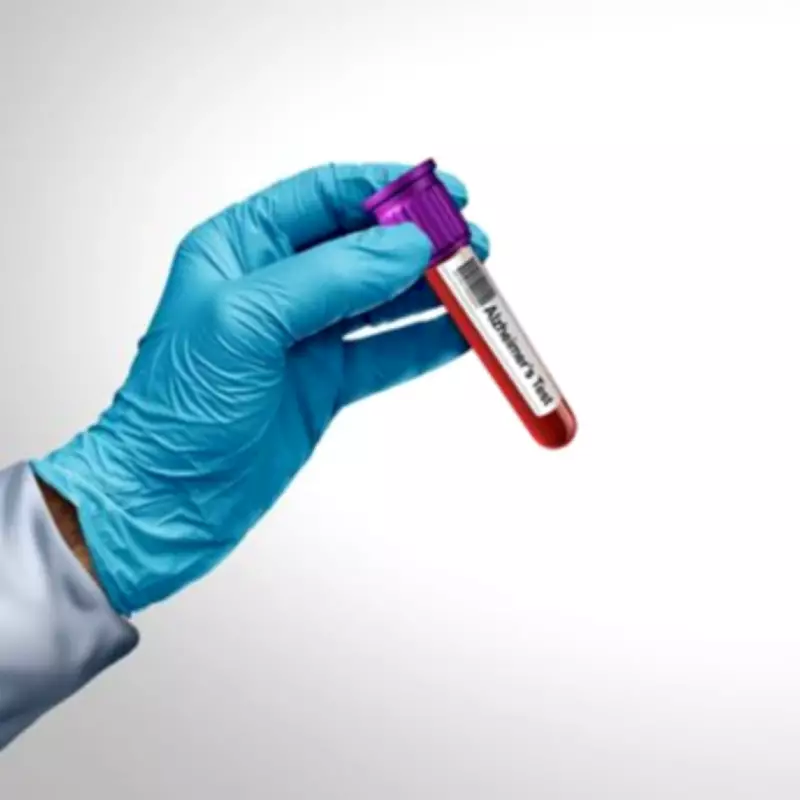
Chinese Scientists Develop Laser Blood Test for Early Cancer Detection
Scientists in China have announced a groundbreaking medical advancement: a laser-based blood test capable of detecting cancer far earlier than traditional imaging methods like CT scans. This innovative sensor, developed by a team from Shenzhen University and detailed in the journal Optica, identifies minute traces of lung cancer biomarkers in ordinary blood samples with unprecedented precision.
How the Laser Sensor Works
The technology operates by directing a laser at a blood sample, generating a sharp light signal with minimal background interference. When cancer-associated molecules are present, this signal diminishes, providing a clear yes-or-no result within minutes. Unlike many experimental diagnostic tools, this method eliminates the need for additional chemical amplification steps, which often increase costs and introduce potential errors.
Han Zhang, the research team leader, emphasized the potential impact: "For early diagnosis, this method holds promise for enabling simple blood screenings for lung cancer before a tumour might be visible on a CT scan." He added that it could revolutionize personalized treatment by allowing doctors to monitor biomarker levels frequently—daily or weekly—to assess drug effectiveness, rather than waiting months for imaging results.

Benefits of Early Cancer Detection
Early detection of cancer is crucial for improving patient outcomes. Catching the disease at an initial stage can lead to:
- Simpler and less invasive treatment options
- Reduced need for grueling chemotherapy and radiotherapy sessions
- Higher survival rates and better long-term prognoses
- Decreased late-stage care costs and emotional strain for families
Beyond lung cancer, the sensor's applications are broad. Researchers suggest it could be adapted to detect other cancers, infections, toxins, or even markers for conditions like Alzheimer's disease. This versatility opens the door to routine screening programs and real-time monitoring of treatment efficacy across various medical fields.
Current Status and Future Challenges
To date, the results are based on controlled laboratory tests, including experiments with diluted patient serum. However, the technology has not yet undergone full-scale clinical trials. The next steps involve transforming the sensor into a rugged, portable device that is cost-effective, easy to operate, and accurate across diverse patient populations. Achieving regulatory approval will also be a significant hurdle in bringing this innovation to mainstream healthcare.
If successful, this laser-based blood test could mark a paradigm shift in oncology, offering a non-invasive, rapid, and highly sensitive tool for early cancer diagnosis and management.