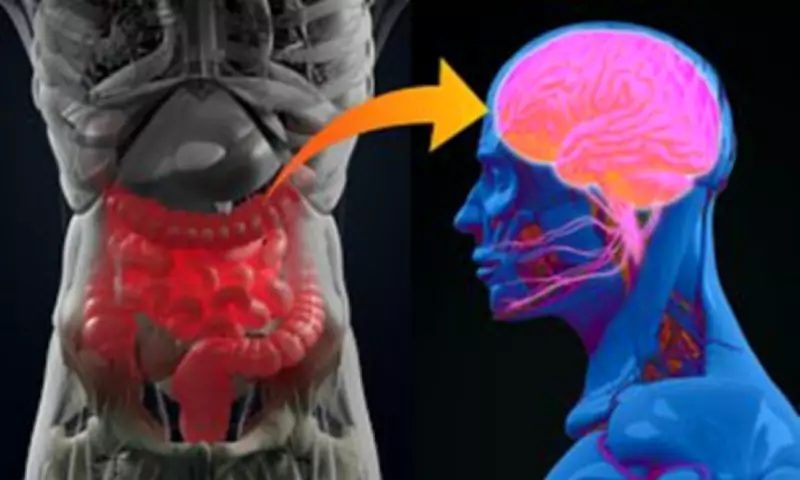
Gut Protein Analysis Could Revolutionise Early Detection of Brain Diseases
Groundbreaking research from the University of Aberdeen has revealed that monitoring protein changes in the gut can identify individuals at heightened risk of developing neurodegenerative diseases years before symptoms emerge. The significant study, published in the prestigious journal Gastroenterology, demonstrates that abnormal proteins associated with Parkinson's disease, Alzheimer's and motor neurone disease can be detected in gut tissue approximately seven years prior to clinical manifestation.
A Paradigm Shift in Disease Detection
Professor Jenna Gregory, the study's lead author, emphasised the transformative potential of these findings: 'We are seeing clear evidence that the same pathological protein changes that occur in several neurodegenerative diseases can occur in the gut many years earlier than we previously recognised. This opens up entirely new possibilities for early detection and intervention.'
These conditions have historically been diagnosed too late for effective intervention, with Professor Gregory noting that early detection represents the key to improving patient outcomes. The research suggests that neurodegenerative disease processes are not confined solely to the brain, challenging previous medical understanding and opening new diagnostic avenues.

Comprehensive Research Methodology
The University of Aberdeen research team conducted an extensive longitudinal study, analysing gut biopsies from 196 participants aged 60 and over. All participants initially presented with unexplained digestive issues but showed no signs of neurological disease. Researchers followed these individuals for approximately 14 years to monitor the development of neurological conditions over time.
The team specifically investigated changes in three proteins strongly associated with neurodegeneration:
- TDP-43
- α-synuclein
- Tau protein (particularly associated with Alzheimer's symptoms)
Remarkably, evidence of proteins misfolding or not unfolding correctly was detected in 60 percent of cases studied. Those individuals displaying protein abnormalities demonstrated significantly higher likelihood of developing non-Alzheimer's dementias or conditions such as Parkinson's disease.
Impressive Diagnostic Accuracy and Clinical Implications
The research yielded compelling results, with gut biopsies correctly identifying disease in over 80 percent of cases. Furthermore, individuals exhibiting higher concentrations of these faulty proteins tended to have reduced survival chances, highlighting the prognostic value of these biomarkers.
Dr Angus Watson, a colorectal surgeon at Raigmore Hospital in Inverness and study co-author, explained the practical applications: 'This approach could shift the focus from reaction to early detection and disease prevention, where the greatest impact lies.' He added that existing routine tests could potentially be repurposed to identify at-risk patients much earlier in the disease process.
Addressing Growing Public Health Challenges
The research arrives at a critical juncture for neurodegenerative disease management. More than 166,000 people in the United Kingdom currently live with Parkinson's disease, with global cases having doubled over the past quarter-century. Parkinson's results from the loss of nerve cells in the substantia nigra region of the brain, which produces dopamine essential for movement coordination.
Meanwhile, approximately 5,000 adults in the UK suffer from motor neurone disease, with individuals facing a one in 300 lifetime risk of developing the condition. Tragically, around half of those diagnosed experience life expectancy of just two to five years from symptom onset.
Looking ahead, Alzheimer's Europe projects that two million people will be living with dementia in the UK by 2050, underscoring the urgent need for improved detection and intervention strategies.

Collaborative Efforts and Future Directions
The University of Aberdeen team collaborated extensively with clinicians from NHS Grampian and Highland, aiming to translate their findings into practical clinical applications. The researchers hope their work will lead to new screening strategies that not only identify at-risk individuals but also enable closer monitoring of treatment responses.
Professor Gregory elaborated on the broader implications: 'The study highlights the urgent need for better detection tools for neurodegenerative diseases. Many of these conditions still lack effective treatment options, making early detection and scalable screening approaches especially important for improving patient outcomes.'
Lisa Duthie, NHS Grampian Charity Lead, praised the research: 'The incredible work carried out by the team as part of this study offers huge potential for earlier screening and treatment of neurodegenerative diseases. These diseases can have a devastating impact, not just on the patients themselves, but on their families and friends too.'
While further validation studies are necessary, experts have unanimously described the findings as important and potentially transformative. As neurodegenerative disease incidence continues to rise globally, research focusing on early diagnosis and intervention becomes increasingly vital for public health systems worldwide.