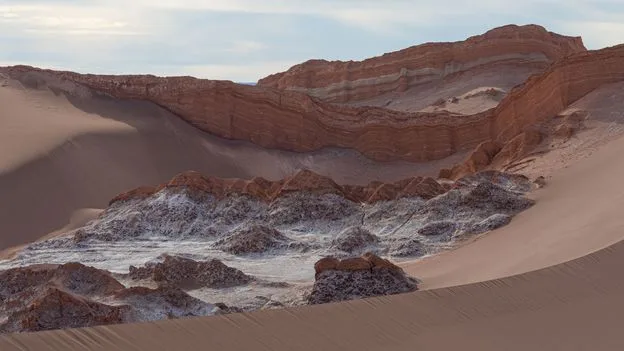
Chile's Atacama Desert, once considered a dead zone, is proving to be a valuable resource in the fight against antibiotic-resistant superbugs. Microbiologists have discovered that the harsh conditions of the world's driest desert have forced bacteria to evolve unique chemical defences, which could lead to new antibiotics.
Michael Goodfellow, a microbiologist at Newcastle University, began studying soil samples from the Atacama in 2008. Despite expectations of finding nothing, he successfully cultured a diverse population of bacteria, particularly actinobacteria. These bacteria are known for producing secondary metabolites that inhibit rival microbes, a trait that has already yielded antibiotics like streptomycin, used to treat tuberculosis.
Research has since identified 46 new molecules from Atacama bacteria, many with antibiotic, antiviral, or anticancer properties. While Goodfellow cautions that no solid drug leads have emerged yet, the findings highlight the desert's potential as a source of novel medicines.

The Atacama is part of the 'extremobiosphere', where life thrives under extreme conditions. Similar discoveries have been made in the Mariana Trench, Antarctic ice, and volcanic sites, reshaping our understanding of life's limits. With superbugs causing hundreds of thousands of deaths annually and the antibiotic pipeline slowing, exploring extreme ecosystems has become a pressing priority.