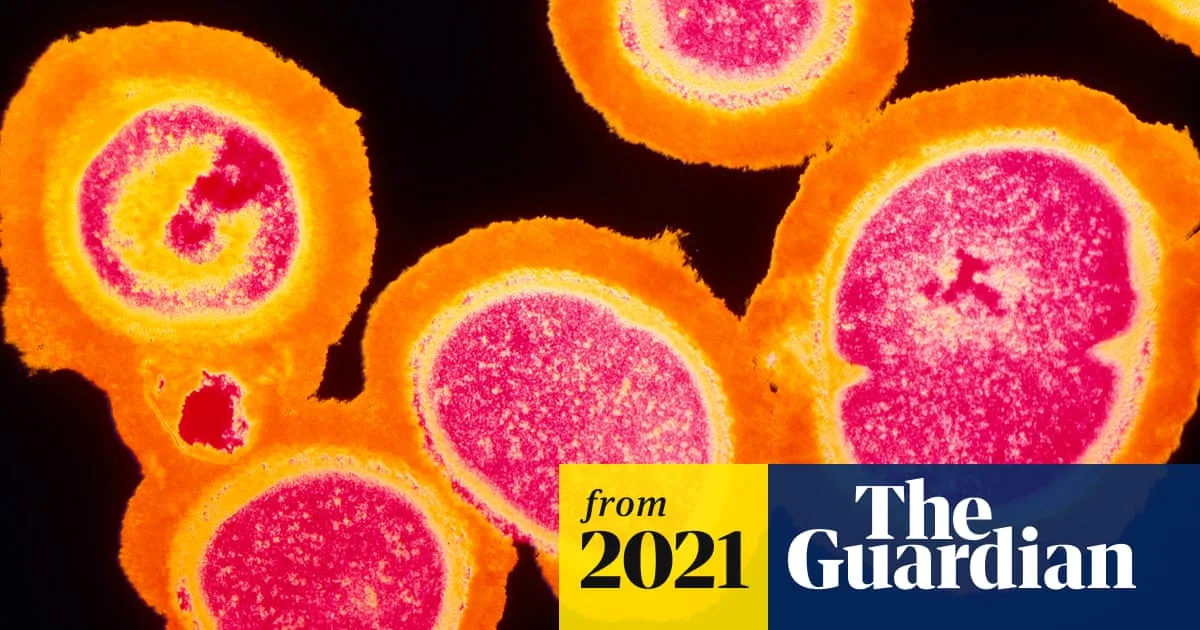
Antarctic Superbug Hunt: Scientists Find New Antibiotic Clues in Earth's Driest Desert
Antarctic scientists find new clues to fight superbugs

In a remote, frozen desert at the bottom of the world, a team of scientists is engaged in a critical search that could hold the key to humanity's survival. Their mission: to find new weapons in the escalating war against superbugs—deadly bacteria that have evolved to resist our current arsenal of antibiotics.

The Hunt in Earth's Most Extreme Laboratory

The frontline of this battle is not a high-tech lab in a major city, but the stark, otherworldly landscape of Antarctica's McMurdo Dry Valleys. This region is officially the driest place on Earth, a polar desert where conditions are so harsh they are often used as an analogue for the surface of Mars. Here, life exists at its absolute limits, and it is within these resilient, extreme microbes that researchers hope to find novel chemical compounds.

Led by scientists like Dr. Lori, the team meticulously collects samples from the arid soil and ancient ice. Their work is painstaking and physically demanding, conducted in sub-zero temperatures. They are searching for bacteria and fungi that have developed unique survival mechanisms over millennia of isolation. The hypothesis is that the chemical warfare these microbes wage against each other in such a barren environment could yield the next generation of antibiotics.

A Global Crisis Demanding Radical Solutions

This Antarctic research is not an academic curiosity; it is a direct response to a looming global health catastrophe. Antimicrobial resistance (AMR) is already responsible for over 1.2 million deaths worldwide each year, a figure that is projected to rise dramatically. Common infections are becoming untreatable, and routine surgeries risk becoming life-threatening once more.

The pipeline for new antibiotics has nearly run dry. Pharmaceutical companies have largely abandoned the field due to scientific challenges and low profitability. This has forced researchers to look to the planet's most remote and extreme environments, where evolution has had to be exceptionally creative. The Dry Valleys represent one of the last great frontiers for biodiscovery.

"We're looking in places where life is really having to fight to survive," explains one researcher in the field. "That fight produces some really interesting chemistry that we can hopefully harness." Every sample, carefully logged and preserved, is a potential treasure trove of genetic information that could code for a life-saving molecule.

The Long Road from Ice to Medicine

Discovery in the field is only the first step in a decade-long journey. Once samples are transported back to laboratories, the real detective work begins. Scientists must isolate individual microbial strains, grow them in culture, and then test their secretions against panels of dangerous, drug-resistant pathogens like MRSA.

Any promising compound then faces years of rigorous testing for safety and efficacy before it can ever reach a patient. The work is slow, expensive, and fraught with failure. Yet, the team in Antarctica persists, driven by the knowledge that the clock is ticking. Their fight against superbugs, begun in the planet's driest desert, may ultimately safeguard the health of millions in hospitals and communities across the globe.

The silent, invisible war being waged in the Antarctic permafrost underscores a profound truth: the solutions to some of our biggest modern threats may lie in understanding Earth's oldest and most resilient forms of life.




