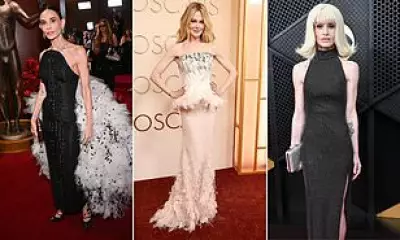
Australia boasts no shortage of beautiful, highly accomplished women, with prominent figures like radio host Jackie 'O' Henderson and fashion designer Pip Edwards frequently making headlines in the dating scene. Yet despite possessing what many would consider the perfect package - looks, wealth, and enviable careers - these 'dream girls' continue to search for lasting love.
The Emotional Barrier to Modern Romance
Relationship specialist Kelsey Gaudreault has revealed to Daily Mail her theory about why these high-achieving women remain single. The 34-year-old founder of The House of Union believes their relationship status stems from a resistance and fear of vulnerability that affects both sexes.
"Because women are becoming so successful... what we're craving from men is something they've never been able to provide," Gaudreault explains. "That's emotional depth, safety and connection. I think this is really scary for men."

The Canadian-based CEO suggests that as women build powerful brands and financial independence, they're simultaneously calling men to connect on a deeper emotional level - something that creates tension in modern dating dynamics.
When Success Becomes a Shield
Gaudreault points to Australian personalities like 50-year-old Jackie O and 45-year-old Pip Edwards as examples of women whose achievements might inadvertently create romantic obstacles. "We have this beautiful persona and personality and ambition," she observes. "It almost acts like a wall and a protection mechanism and it prevents us from seeing the woman underneath the success."
According to the relationship expert, this hidden self - the authentic woman beneath the accomplishments - is precisely what a man will fall in love with. The very success that makes these women attractive can paradoxically prevent the emotional intimacy necessary for lasting relationships.
The Performance of Modern Femininity
Gaudreault identifies what she calls "performing femininity" as another significant barrier. "These women, they really are what I would call the 'dream girl'," she notes. "They have everything, the style, the fashion, the body, everything. So often we think that that's what femininity is, but embodiment really means that we are just being."
She emphasises that true connection requires moving beyond performance: "We are not trying, we are not performing, we are not chasing, we are not doing, we are literally just being. It's a moment by moment expression of the feminine without any agenda."
The dating patterns of successful Australian women appear to support Gaudreault's analysis. Jackie O, worth millions following her 2018 split from husband Lee Henderson after 15 years of marriage, regularly shares her dating struggles with radio listeners. Meanwhile, Pip Edwards and fellow high-achiever Dina Broadhurst, 50, frequently appear in headlines for their brief romances with wealthy, high-profile men.
Even reality television reflects this trend, as evidenced by the recent Golden Bachelor Australia, where 20 accomplished women competed for infrastructure engineer Barry 'Bear' Myrden. Most departed without finding love, while the eventual winning couple faced split rumours almost immediately.
Finding Love Beyond the Crown
Gaudreault's advice to successful women seeking genuine connection revolves around self-reflection: "Can you let yourself be seen beyond the success? It's like the queen in her bedchambers when she takes off her crown and she takes off her gown and she's just naked in front of her king, she can't hide behind anything."
She encourages women to examine where they derive their self-worth: "Can you let him see that version of you? Can you ask yourself why you're afraid of being seen? Where do you think your worth lies? Is it in everything that you do or is it in just your feminine essence?"
The relationship expert concludes that the path to meaningful partnership requires finding value in one's being rather than achievements. As Gaudreault teaches her clients through her work on emotional availability and feminine embodiment, sometimes the key to connection lies not in doing more, but in being more authentically present.