
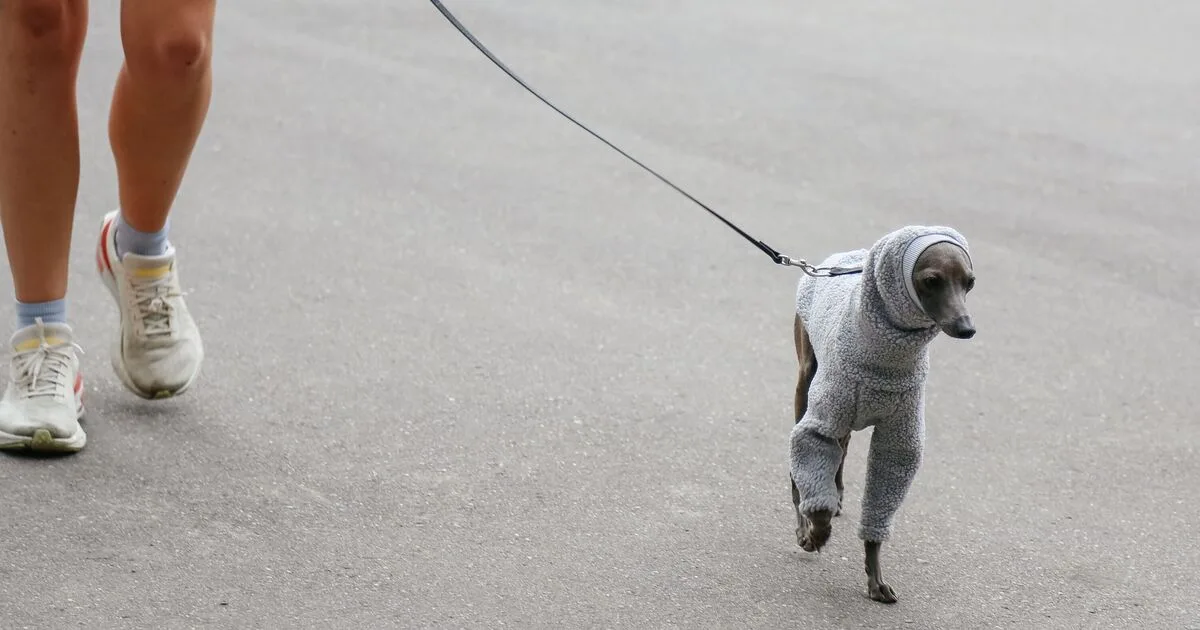
Veterinarian Nichola Rous, known on TikTok as @drnicolerous.vet, has shared guidelines on how often dogs should be walked based on their age and breed. In a video, she explained that puppies require five minutes of exercise per month of their life, twice a day. For example, a four-month-old puppy should have two 20-minute activity sessions daily, including walks, backyard play, and games.
For mature dogs, the standard recommendation is 30 to 60 minutes of exercise twice daily. However, Rous noted that breeds such as border collies may need more outdoor time than chihuahuas. Senior dogs also require 30 to 60 minutes twice a day, but the type of exercise is crucial for joint health. Low-impact activities, careful consideration of walking surfaces, and hydrotherapy are advised, even for dogs with arthritis.
The Kennel Club supports these guidelines, stating that every dog should have at least one walk a day, often two, depending on veterinary advice. The amount of exercise varies by breed, but the minimum is one daily walk. Rous emphasised the importance of mental stimulation, comparing it to human needs.
Viewers shared their experiences: one owner walks their 21-year-old dog only once or twice a week for 20 minutes, while another walks their five-month-old pup for 45 minutes to an hour daily. A senior dog owner noted their pet requires walks every two-and-a-half to three hours due to not using the garden. Rous advises owners to conduct breed-specific research for optimal walking routines.




