
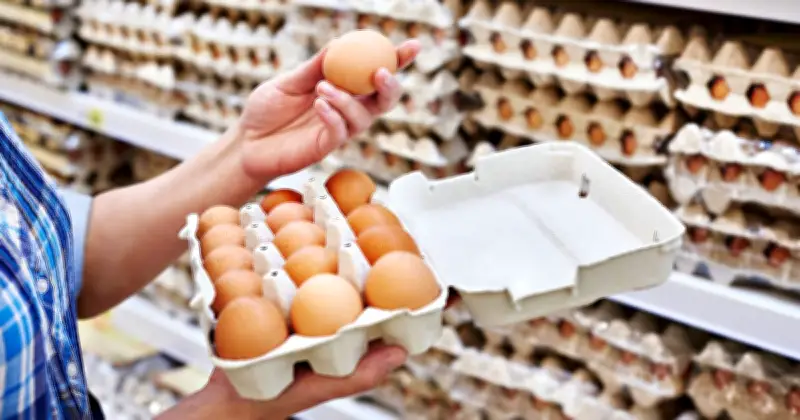
Shoppers buying eggs in UK supermarkets are being urged to check for the British Lion stamp before purchasing. This mark, found on both the box and the eggs themselves, indicates production under the British Lion Code of Practice, a rigorous food safety scheme that covers over 90% of UK eggs.
What Is the British Lion Stamp?
The British Lion stamp is the UK's most successful food safety scheme, launched in 1998 to tackle salmonella. Since its introduction, more than 200 billion British Lion eggs have been sold. The scheme requires strict food safety controls, including mandatory vaccination of hens against Salmonella and a full traceability system that tracks hens, eggs, and feed.
Why Is It Important?
Concerns about egg safety were once widespread, particularly for vulnerable groups such as pregnant women, elderly people, and babies. However, the British Lion scheme has drastically reduced the risk of salmonella in UK eggs. In 2016, the Government's Advisory Committee on the Microbiological Safety of Food stated: “There has been a major reduction in the microbiological risk from Salmonella in UK hen shell eggs. This is especially true for those eggs produced under the Lion Code.”
Updated Food Safety Advice
Following the success of the scheme, the Food Standards Agency updated its advice in 2017, confirming that British Lion eggs are safe to eat runny or even raw, including for vulnerable groups. The European Food Safety Authority also confirmed that UK egg production under the Lion Code was among the safest in the world.
Where to Find British Lion Eggs
British Lion eggs are widely available across the UK and can be found in all major supermarkets, including Aldi, Asda, Co-op, Iceland, Lidl, M&S, Morrisons, Ocado, Sainsbury's, Tesco, and Waitrose. Shoppers are encouraged to look for the stamp to ensure they are buying eggs produced under the highest safety standards.




