
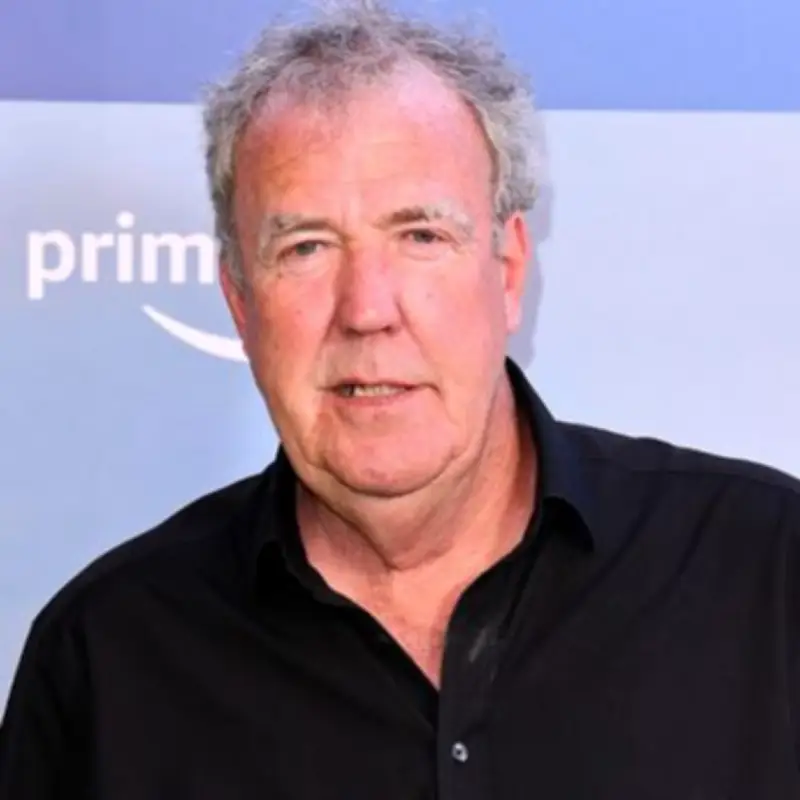
People are being reminded of the signs of prostate cancer to look out for after Jeremy Clarkson revealed he had been diagnosed with the disease. The TV presenter shared the news in an episode of Clarkson’s Farm, saying the disease was “aggressive” but had been discovered early.
He further said he expected to be “fine” but would be out of action “for a while”, before revealing in the final episode of the series that he had undergone an operation to remove part of his prostate. He said: “I won’t know whether it’s worked or not until November probably… The prostate, 10% of it’s dead, the 10% where the cancer is.” The 66-year-old also reflected on the future of the show, adding: “What I wanted to say was if this is all successful, I’ll see you for season six, and if it isn’t, I won’t. Take care, everyone.” In a post on Instagram before the episodes’ release, Jeremy told followers he had “some sombre news”.
Prostate Cancer UK Thanks Jeremy Clarkson
Charity Prostate Cancer UK has thanked Jeremy for sharing his diagnosis and treatment on the Prime Video programme, saying it would raise “vital awareness”. Chiara De Biase, the charity’s fundraising and health strategy director, said: “Thankfully he found the disease at an early stage, but sadly this is still not the experience of many men across the UK. Over 10,000 dads, brothers, sons and friends are diagnosed too late for a cure every year, and today the responsibility to know if you’re at higher risk and to act on it rest entirely on men’s shoulders. This must change.”
She added: “The Government took an important step forward recently in doubling its support for Prostate Cancer UK’s Transform screening trial, allowing us to reach tens of thousands more black men and generate the vital evidence to ensure those at highest risk are diagnosed earlier. In years to come, the trial will find the safest and most effective way to screen all men for prostate cancer, but right now prostate cancer remains the most common cancer without a screening programme. Any men worried by Jeremy’s story should take our 30 second online risk checker or have a chat with their GP about a quick and simple blood test to check for any signs.”
Symptoms of Prostate Cancer
The NHS has a list of prostate cancer signs to be aware of. According to the NHS, prostate cancer often has no symptoms at first. It usually starts to grow on the outer part of the prostate. This means it does not press on the tube that carries urine from the bladder to the penis (urethra) and cause symptoms, until the cancer has grown or spread.
If this happens, it can cause changes to the way you pee, such as:
- finding it difficult to start peeing or straining to pee
- having a weak flow of urine
- “stop start” peeing
- needing to pee urgently or often, or both
- feeling like you still need to pee when you've just finished
- peeing during the night
Other symptoms can include:
- erectile dysfunction (being unable to get or keep an erection)
- blood in your urine or blood in your semen
- lower back pain and losing weight without trying to (these may be symptoms of advanced prostate cancer)
The NHS adds: “These symptoms do not always mean you have prostate cancer. You can also get these symptoms if you have an enlarged prostate. This is a very common non-cancerous condition caused by the prostate getting larger as you get older. You might find you get used to some of these symptoms. But it's important to be checked by a GP if your symptoms change, get worse, or do not feel normal.”




