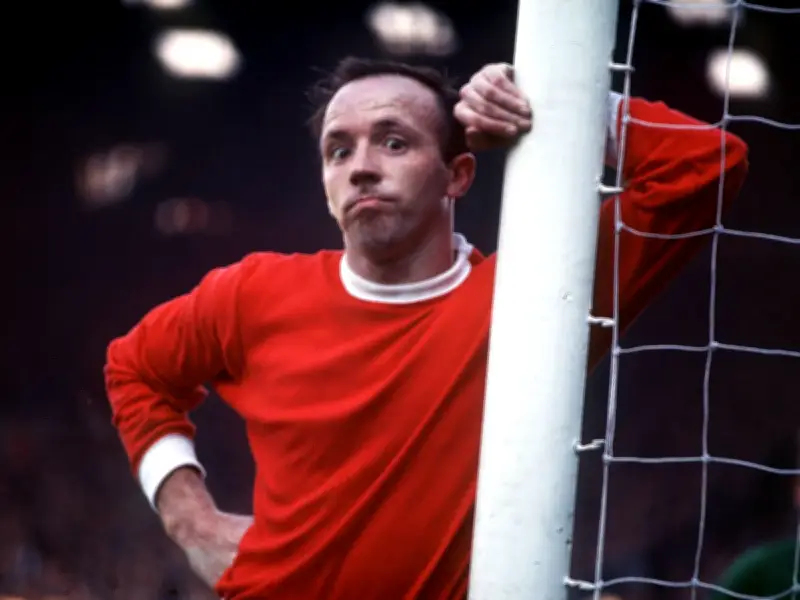
An inquest has concluded that the death of Manchester United and England World Cup winner Nobby Stiles was contributed to by a brain condition caused by repeatedly heading a football. The coroner's ruling, delivered on July 15, 2026, identified chronic traumatic encephalopathy (CTE) as a significant factor in Stiles' death at the age of 78.
Family and campaign group response
Stiles' son, John, has previously stated that football "killed" his father. John is the head of the Football Families for Justice (FFJ) group, which is urging football authorities to take greater action to protect players. The family was forced to sell Stiles' winner's medals to fund his dementia care.
Legal action against football authorities
Stiles is among dozens of former footballers and their families who are suing the Football Association, the Football Association of Wales, and the English Football League. They allege that these bodies were "negligent and in breach of their duty of care" by failing to protect players from the risks associated with heading the ball. Lawyers for the claimants argue that the risks were known for decades.
In March 2026, lawyers for the Football Association told the High Court that it has "not been established by science" that heading a ball or occasional concussion can lead to permanent brain damage.
Previous inquest and research
In January 2026, an inquest into the death of former Scotland, Manchester United, and Leeds United defender Gordon McQueen found that heading the ball was "likely" to have contributed to his brain injury. McQueen, who died at age 70, was also diagnosed with CTE. His daughter, Hayley McQueen, noted that England's 1966 World Cup winning team had been "pretty much wiped out" by neurodegenerative disease.
A 2019 study co-funded by the FA and the Professional Footballers' Association (PFA) found that footballers are three-and-a-half times more likely to die from neurodegenerative disease than age-matched members of the general population. In response, the FA is phasing out heading in youth football for under-11s by 2026.