The NHS has issued a new plea urging the public to check their skin for potential signs of melanoma, a dangerous form of skin cancer that kills thousands annually in the UK. As Skin Cancer Awareness Month begins in May 2026, health experts are emphasizing the importance of early detection.
NHS Warning on Social Media
In a post on the official X account, an NHS spokesperson stated: "This #SkinCancerAwarenessMonth, check your skin and contact your GP if you're worried about any signs that could be cancer. Melanoma is a type of skin cancer that can spread to other areas of the body."
The ABCDE Checklist
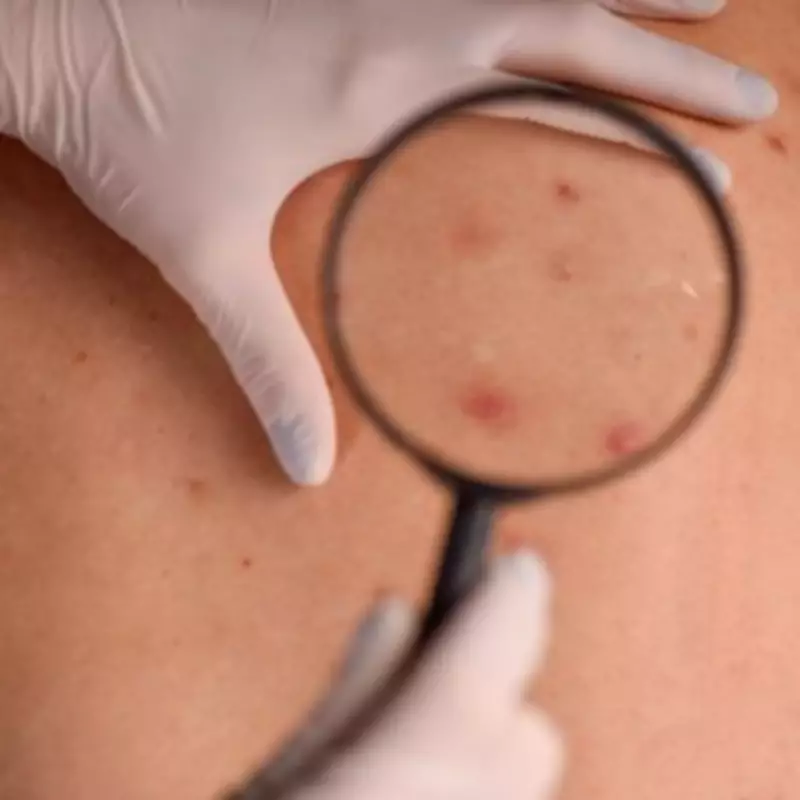
The NHS advises using the ABCDE checklist to identify warning signs: Asymmetry, Border irregularity, Colour changes, Diameter, and Evolving moles. Other symptoms include itching, bleeding, or crusting of a mole, which should not be ignored.

Melanoma Statistics in the UK
According to Cancer Research UK, melanoma is the fifth most common cancer in the UK, with around 16,700 new cases annually. Rates have more than doubled since the early 1990s. Approximately 2,300 people die from melanoma each year, but survival rates are high if caught early—around 90% survive 10 years or more.
Causes and Risk Factors
The main cause of melanoma is exposure to ultraviolet (UV) radiation from the sun or sunbeds. Repeated sunburn, especially in childhood, significantly increases risk later in life. Cancer Research UK estimates that 86% of melanoma cases are preventable through simple precautions like wearing SPF, seeking shade, and avoiding tanning beds.
People with fair skin, freckles, red or blonde hair, and those with many moles are at greater risk. A family history of skin cancer also increases likelihood.
Call to Action
Health experts stress that while many skin changes are harmless, it is best to seek advice if something seems unusual. Contacting a GP promptly could be key to preventing the disease from spreading. The NHS urges everyone to check their skin regularly and consult a doctor if concerned.