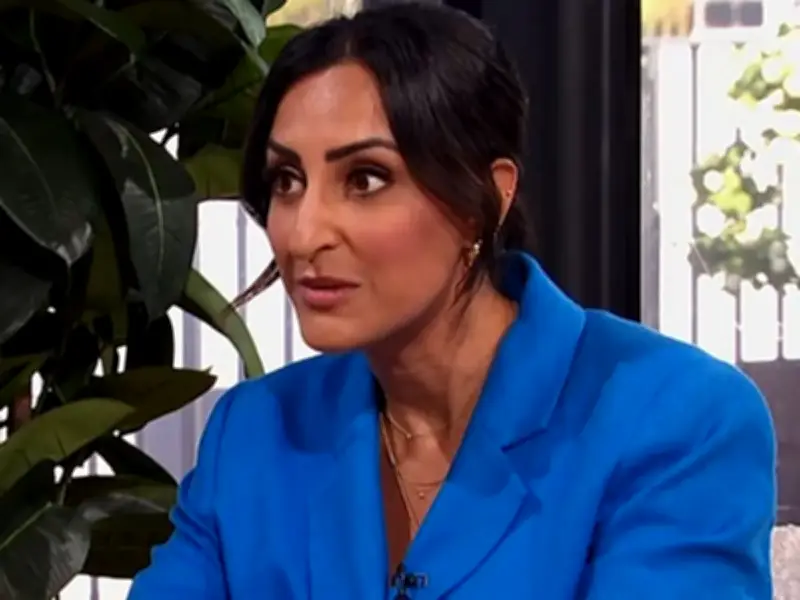
NHS GP Dr Punam Krishan has issued a fresh health warning about joint symptoms that should never be dismissed, highlighting that rheumatoid arthritis (RA) can affect people of any age. Nearly half a million people in the UK have a recorded diagnosis of RA, with approximately 27,000 adults newly diagnosed each year.
Working with stairlift and home lift brand Stannah, Dr Krishan is raising awareness during Invisible Disabilities Week (October 18-24). She is also myth-busting three common misconceptions and urging people of all ages not to ignore persistent symptoms and to speak to their GP, emphasising the importance of early recognition.
Why younger people miss the signs
Dr Krishan, known for her regular appearances on BBC Morning Live, explains that RA's main symptoms—pain, stiffness and tiredness—often aren't visible to other people. They are easy to put down to a desk job, a busy lifestyle or a hard session at the gym.
Arthritis is commonly associated with older age and immobility, but Dr Krishan is debunking the myth that it's a condition only older people are diagnosed with. RA can be diagnosed in people as young as 16, and other inflammatory forms of arthritis can even affect children.
"For younger people, it's often easier to explain away and overlook symptoms that are so commonly associated with older generations," she says. "For instance, stiff fingers at the end of the day might be attributed to typing all day at work or manual labour. Tiredness is also often a difficult symptom to monitor or raise as a concern, particularly when you're leading a busy lifestyle."
"Pain and stiffness are the most common joint symptoms that younger people come to me with in the first place. My golden rule is to visit your GP if you're relying on painkillers most days just to get through stiffness or pain. That's your body telling you to get it looked at properly."
Can the 'invisible' condition be caught early?
Dr Krishan explains what RA involves: "RA is an autoimmune condition, meaning the immune system mistakenly attacks healthy tissue in the joints instead of protecting the body. This process causes inflammation, swelling, pain and stiffness, most commonly affecting the hands and feet."
"Even doctors don't always think of rheumatoid arthritis straight away, and younger patients don't always know which symptoms are significant enough to bring up during an appointment," she says. "I encourage people to track their own symptoms, so a GP has a clearer picture of what's going on. Is it worse after rest, or after you've been active? Is it one joint, or several? That's genuinely useful information for your GP, not just something to mention in passing."
She adds: "Also, family history matters more than people think. If rheumatoid arthritis runs in your family, that's worth knowing while you're younger, rather than something to only think about later. Because of the genetic element, it can help you and your GP keep a close eye on symptoms and get the appropriate treatment as time goes on."
Women are two to three times more likely to develop rheumatoid arthritis than men, though the reason is not fully understood. Dr Krishan notes this is "not enough of a reason to worry on its own, but it's another piece of the picture to consider that can help connect the dots sooner rather than later."
How do I know pain isn't just an ongoing injury or gym soreness?
Dr Krishan warns: "If you twist your ankle or overdo it in a session, it's easy to assume you just need more time to recover if the symptoms don't settle down as quickly as you'd expect. However, most minor sprains and strains start to feel better within around two weeks."
"So if a joint injury isn't beginning to improve after this time, or you notice swelling and stiffness spreading to other joints that weren't involved in the original injury, that's worth mentioning to your GP. While it doesn't mean this is automatically rheumatoid arthritis by any means, it's not worth assuming it will just sort itself out."
Most people with rheumatoid arthritis are diagnosed between the ages of 46 and 70, meaning it often presents during working and caring years rather than later in life.
Dr Krishan concludes: "Catching persistent joint symptoms early can help manage pain and begin the treatment process, but long-term, it can also help protect the things that matter day to day, whether that's staying active with family, moving easily around your own home or being able to continue with your usual routine."
"Getting symptoms looked at properly now, regardless of whether it leads to an RA diagnosis or not, is important for your wellbeing and long-term health. So, if you notice persistent joint pain, swelling or stiffness, especially first thing in the morning, symptoms affecting more than one joint, or joint problems that don't improve after an injury, speak to your GP."