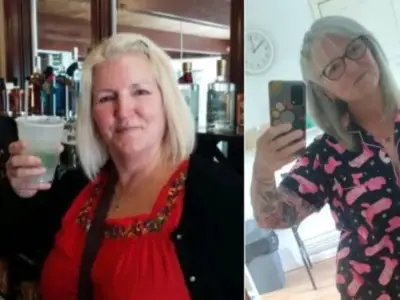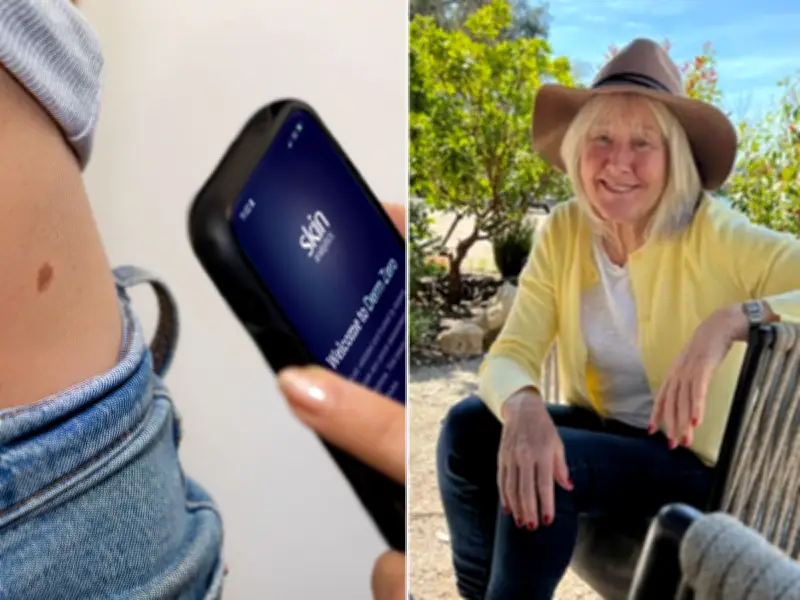
A 68-year-old woman from Fulham, Lindsey Scott, discovered that a red patch on her thigh, initially dismissed as an insect bite, was malignant melanoma after being assessed by an NHS artificial intelligence system. The technology, developed by Skin Analytics, flagged the lesion as suspicious, allowing her to bypass a dermatologist appointment and proceed directly to surgery. She is now in remission and attends annual check-ups.
From Insect Bite to Cancer Diagnosis
Lindsey noticed the small red patch on her thigh in summer 2024 after a series of insect bites. Unlike the other bites that faded, this one persisted and gradually grew larger. She delayed seeing a GP due to an upcoming holiday to the US, instead taking photos every few days. Upon returning, she phoned her GP and was seen immediately.
The GP referred her to an NHS skin cancer pathway using DERM, an AI system that analyzes photographs of skin lesions. At Chelsea and Westminster Hospital, medical photographers took high-resolution images. The AI flagged the lesion as suspicious, leading to a biopsy and removal. At a follow-up appointment, she learned it was malignant melanoma. A second procedure removed additional surrounding tissue as a precaution.

AI Technology's Role in Speeding Up Diagnosis
Skin Analytics' DERM system has been used across 24 NHS hospitals, assessing over 230,000 patients and identifying more than 20,000 cancers. The company has now launched DERM Zero, a version capable of delivering clinical-grade assessments using a standard smartphone. Neil Daly, founder of Skin Analytics, said, 'If we identify something suspicious, we can route patients directly into the hospital pathway. Or, if it's a harmless lesion, they can be safely discharged without needing to take up a specialist appointment.'
The technology detects around 98% of skin cancers, comparable to consultant dermatologists. Daly emphasized, 'The NHS is under enormous pressure. When people avoid seeking help because they're worried about waiting times, that's when cancers get missed. And when cancers are missed, people die.'
Impact on Patient Care and Waiting Times
Lindsey noted that the AI process freed up appointments by screening out non-urgent cases, allowing her to receive treatment quickly. She said, 'If this encourages people to get checked sooner, that's a really good thing.' The technology could eventually be integrated into the NHS App, enabling patients to submit photos from home while remaining connected to NHS treatment if needed.
Skin cancer rates continue to rise in the UK, with melanoma accounting for the majority of skin cancer deaths. Early detection is crucial, as melanoma is highly treatable when caught early. The AI software aims to reduce delays caused by patients dismissing suspicious marks as harmless irritations.