
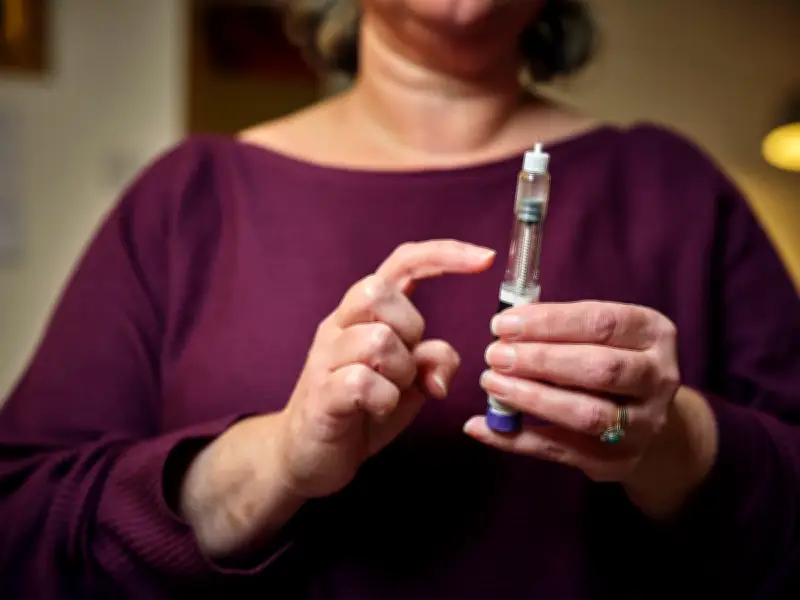
People prescribed weight-loss GLP-1 jabs have been issued a fresh warning by a health specialist as the UK faces its third heatwave of the year, with temperatures reaching 31°C in the southwest and the Met Office forecasting more hot weather to come. Meteorologist Honor Criswick said: 'For the time being it looks like the heatwave is set to continue, but depending on where you are, there may be a brief respite in the heat to come.' Yellow heat-health alerts are in place across all regions of England except the North East and Yorkshire and the Humber.
Why GLP-1 Users Are at Greater Risk
Pharmacists at Chemist4U are warning an estimated two million people taking weight loss jabs not to rely on thirst as a signal to drink during this heatwave. Jason Murphy, Head of Pharmacy at Chemist4U, explained: 'These medications can change how your body tells you it needs food and water. They work by mimicking a natural gut hormone that targets both the brain and gut, sending signals to your brain that you’re full and delaying how quickly your stomach empties. However, hunger cues and thirst cues work in similar ways. On top of that, if you're eating less, you're getting less water from your food too.'
Dehydration is a known issue during heatwaves, but GLP-1 users face heightened risk because common side effects—such as nausea, vomiting, and diarrhoea—can leave the body short of water long before thirst is felt. 'If you're relying on thirst to tell you when to drink, you may already be behind,' Murphy added.
Practical Tips to Stay Hydrated
Murphy advises building drinking into a daily routine rather than waiting for thirst. 'Try linking it to things you already do, like having a glass of water when you wake up, before each meal and before bed. Setting a couple of phone reminders throughout the day can help, too.' He recommends aiming for six to eight glasses of fluid a day, and more when it's hot. 'Water is best, but lower-sugar squash, milk and herbal teas all count towards your total.'
Keeping a water bottle visible is another simple strategy. 'When your body's own thirst signal is turned down, it helps to have a reminder you can actually see,' Murphy said. He also suggests using a bottle with amount markers to track intake.
Replace Lost Salts and Watch Your Diet
If stomach upset occurs, plain water may not be enough. 'If you've been feeling sick, been sick, or had diarrhoea, your body loses fluid quickly, and in the heat it has a compounding effect. A rehydration sachet can help you top up more than water alone,' Murphy advised. He also recommends cutting down on salty foods, alcohol, and large amounts of caffeine, which can worsen dehydration. Swapping in water-rich foods like cucumber, melon, and strawberries can help top up fluids.
Warning Signs and When to Seek Help
Key signs of dehydration include dark yellow urine, dizziness, lightheadedness, unusual tiredness, dry mouth, dry lips, or headache. Murphy warns: 'If you feel very dizzy or confused, or you're passing very little or no wee, don't wait; speak to a pharmacist or call 111. Lasting dehydration can put a strain on your kidneys, so it's always better to get checked.'




