
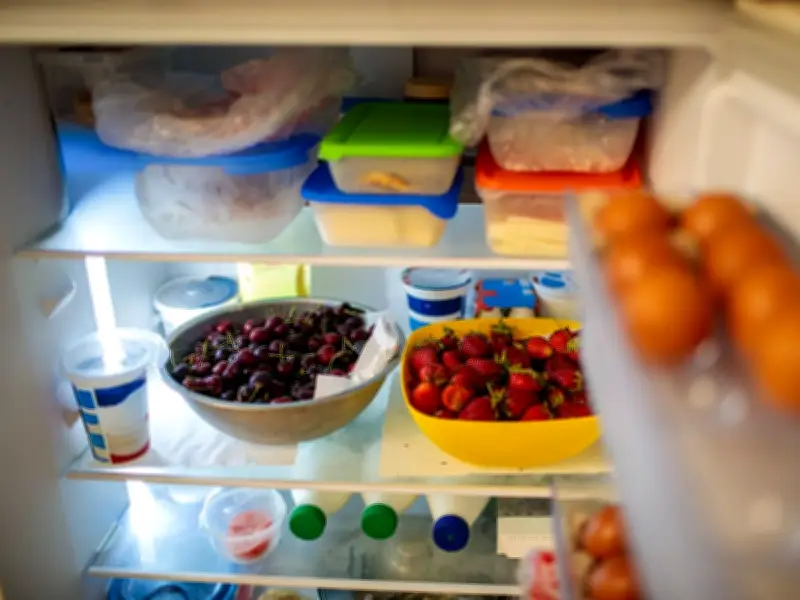
With UK temperatures predicted to remain around the mid-20s this week, experts are warning that an overfilled fridge could increase the risk of foodborne illness. When fridges are packed too full, cold air cannot circulate properly, meaning some foods may not stay at a safe temperature—especially during hot weather when appliances work harder to stay cool.
Why Overfilling Your Fridge Is Risky
Katherine Pavling, head of product at Virtual College, said: “Hot weather increases the risk of food going off more quickly, so it is important to take extra care with storage and hygiene.” She advises keeping perishable foods such as meat, fish, dairy and cooked leftovers refrigerated at 5°C or below, and not leaving them at room temperature for long periods. As a rule, food should not be left out for more than two hours, or one hour in very high temperatures.
“During summer, many people stock up for barbecues, picnics and gatherings, which can easily lead to an overcrowded fridge. However, it is important not to overfill your fridge, as this can prevent cold air from circulating properly. As a rule of thumb, aim to keep your fridge around 70-80% full and ensure air vents are not blocked,” Pavling added.
Check Your Fridge Temperature
Pavling also cautioned against placing hot food directly into the fridge, as this can raise the internal temperature and compromise other items. She recommends everyone check their fridge is running at 5°C or below, with all vents clear to allow adequate airflow.
Additional Precautions for Hot Weather
When doing the weekly shop, avoid leaving food in the car for extended periods, as temperatures inside vehicles can climb rapidly and cause spoilage. Use cool bags or ice packs when transporting groceries. “Simple precautions such as using cool bags when travelling with food, such as for picnics or cooking, avoiding leaving shopping in warm cars, and ensuring fridges are operating at the correct temperature can significantly reduce the risk of food poisoning during hot weather,” Pavling said. “Bacteria multiply much faster in warm conditions, so food that might normally be safe for a short time can become unsafe more quickly during heatwaves. Taking basic steps to keep food properly chilled is one of the most effective ways to prevent illness.”




