
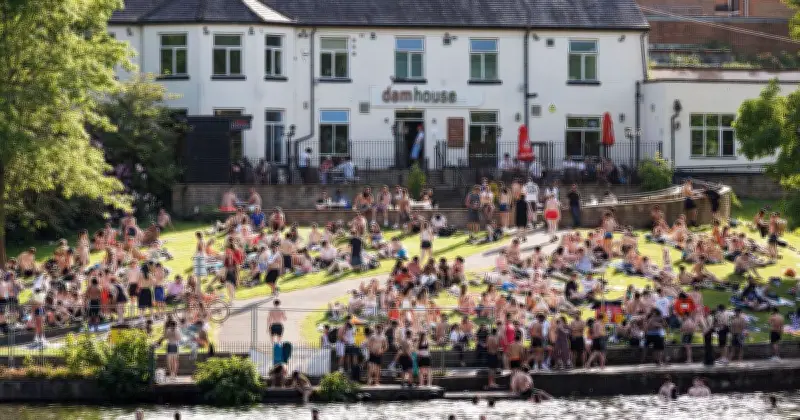
As temperatures rise and Brits flock to parks, pubs, and beer gardens to watch the World Cup, one expert has urged everyone to watch out for signs of heat illness. While hot weather signals an exciting start to the summer season, there are many dangers that come with the heat. Director of CPR First Aid Training in Melbourne, Owena Cleary, explained exactly what warning signs to look for when identifying heat cramps, heat exhaustion, and heatstroke. Since all heat illnesses are slightly different, it is important to be able to differentiate between them.
Heat Cramps: The Mildest Form
Heat cramps are the mildest form of heat illness. Symptoms include intense muscle spasms, often in the legs or abdomen, caused by the loss of fluids and electrolytes through sweat. However, if the cause is just heat cramps, body temperature should remain normal. The solution is seeking shade, resting, and drinking something with electrolytes.
Heat Exhaustion: A More Severe Condition
Heat illness becomes more severe when it develops into heat exhaustion, where body temperature rises to 40 degrees Celsius. Someone with heat exhaustion might also experience confusion or feel they may faint. Other symptoms include heavy sweating, clammy skin, nausea, or a headache. In this scenario, Brits should find a cool environment as soon as possible and lie down with slightly elevated legs. Drinking water is also important, and emergency help should be called if symptoms do not improve.
Heatstroke: The Most Severe and Potentially Fatal
Heatstroke is the most severe heat illness, with body temperatures sometimes rising above 40 degrees Celsius. Without prompt medical treatment, heatstroke can lead to organ failure and even be fatal. Classic heatstroke usually affects older adults, young children, or those with underlying health conditions if they have been in the sun for long periods. Exertional heatstroke affects otherwise healthy people, often during intense physical activity in the heat.
Warning signs to watch out for include hot and red skin, but in the case of classic heatstroke, the person may not be sweating at all. They may be nauseous, confused, have slurred speech, or have a seizure. In all cases of heatstroke, emergency services should be called immediately. While waiting, the affected person should be treated with an ice pack to the neck, armpit, and groin. Fanning them while misting or immersing them in cool water is also helpful.
Hydration and Electrolyte Replacement
Cleary said: “Most people know that hydration is one of the most important heat-safety strategies, but it is often misunderstood.” When participating in activities for over an hour or sweating heavily, it is vital to keep replacing electrolytes. This can be done by consuming coconut water, electrolyte solutions, or any natural sodium-containing foods.




