
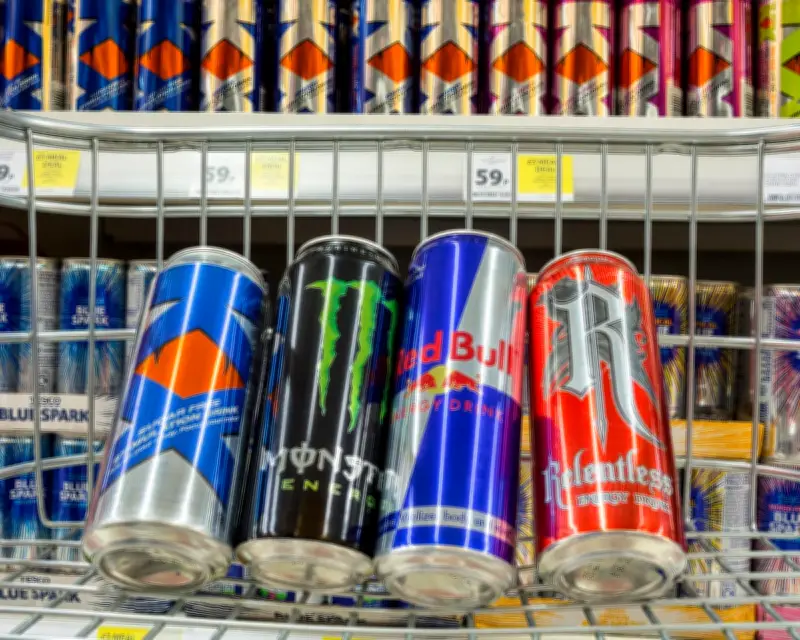
High-caffeine energy drinks will be banned from sale to under-16s in England from April next year, the government has announced, citing harms to physical and mental health as well as negative educational outcomes. The ban applies to shops, vending machines, and online sales, targeting drinks containing more than 150mg of caffeine per litre, excluding tea and coffee.
Scope of the Ban
About 100,000 children across England currently consume high-caffeine energy drinks daily, with higher rates in more deprived areas and households, according to government data. The legislation follows a public consultation that found strong support from businesses, public health organisations, and the public for an age restriction.
Retailers will be responsible for ensuring compliance, with enforcement carried out by local authorities. Businesses breaking the law face fines of up to £2,500.
Health Concerns and Official Statements
Public health minister Sharon Hodgson said: “High-caffeine energy drinks have no place in children’s hands. We know thousands of kids in England consume them daily, but the evidence is clear that this can cause anxiety, affect their sleep and concentration and can have a detrimental impact on their education.”
The government says the initiative will improve children’s health, combat childhood obesity, and support parents. Doctors have previously warned that heavy consumption of energy drinks may raise the risk of heart disease and stroke.
Support from Health Organisations
Katharine Jenner, executive director of the Obesity Health Alliance, said: “This is a hugely popular policy, backed by parents, health professionals and the public, and a vital step towards protecting children’s health. Strong evidence links high-caffeine energy drinks to anxiety, poor sleep, reduced concentration and harm to learning and wellbeing – restricting sales to children at a vital time in their life is just common sense.”
The ban is part of a broader government commitment to creating the healthiest generation of children ever, addressing the increasing popularity of these drinks in playgrounds and promotion by online influencers.




