
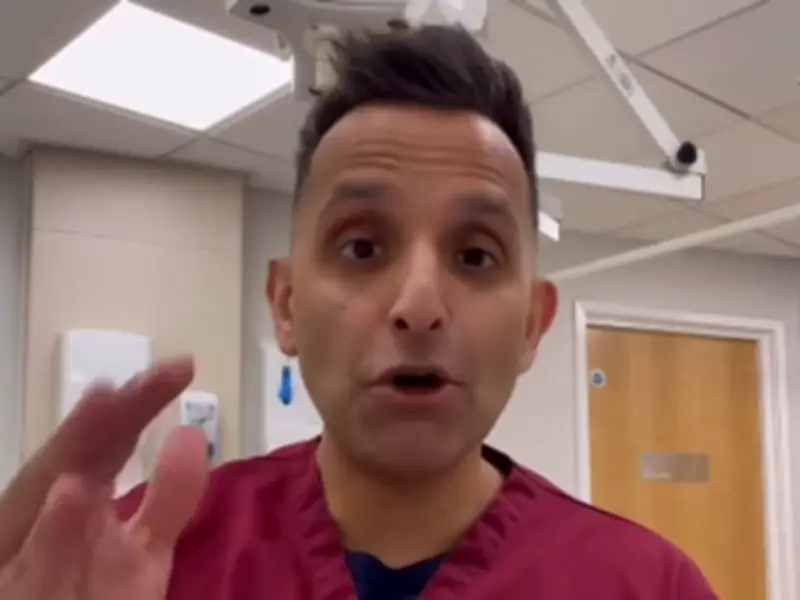
Dr Amir Khan, a well-known NHS doctor and ITV personality, has issued a warning about a specific change in fingernails that could signal iron deficiency anaemia. In a recent Instagram video, he urged viewers to consult a healthcare professional if they notice their nails becoming brittle or spoon-shaped, a condition known as koilonychia.
What Is Iron Deficiency Anaemia?
Iron deficiency anaemia is the most common type of anaemia, occurring when the body lacks sufficient iron to produce haemoglobin. Haemoglobin is the substance in red blood cells that carries oxygen throughout the body. While iron is typically obtained from foods like red meat, beans, and nuts, even a balanced diet may not prevent deficiency.
Dr Khan explained: “Iron deficiency anaemia happens when your body doesn’t have enough iron to make haemoglobin. Normally, your body brings in a steady flow of iron from food and stores excess iron for later use. But if you’re not getting enough iron, or it’s being lost faster than replaced, you become deficient.”
The Nail Symptom: Koilonychia
According to Dr Khan, one key sign of iron deficiency appears in the fingernails. He said: “Your nails are brittle or spoon-shaped. This condition is called koilonychia. Your nails look concave, like spoons, instead of growing flat.” The Cleveland Clinic adds that the indentation may be deep enough to hold a drop of water on the nail bed. While most often linked to iron deficiency anaemia, spoon nails can also result from diabetes, heart disease, or an underactive thyroid.
Causes of Iron Deficiency Anaemia
Dr Khan listed common causes: “Not getting enough iron in your diet, losing it through heavy periods – ladies, heavy periods are not normal, get them sorted with your clinician – gut illnesses like coeliac disease, and inflammatory bowel disease. In some cases, iron deficiency anaemia can be a sign of underlying cancer.”
Other Symptoms to Watch For
Beyond nail changes, Dr Khan highlighted fatigue as a major symptom: “Iron helps your body make the red pigment in blood that carries oxygen to all your organs. Without enough iron, you can’t carry as much oxygen, depriving your body of vital energy and making you tired.”
Shortness of breath and chest pain may also occur. “When haemoglobin is low, oxygen levels drop. Your muscles don’t get enough oxygen for everyday activities like walking, so your breathing rate increases. Your heart works harder, and an unhappy heart gives you chest pain,” he said. Additional signs include sores at the corners of the mouth and restless leg syndrome.
What to Do If You Have Symptoms
Dr Khan advised increasing iron intake through diet: “Good sources include liver, red meat, shellfish, or for vegetarians, legumes and pumpkin seeds.” However, he emphasised: “If you’re worried, always speak to a healthcare professional.” The NHS recommends seeing a GP if you suspect iron deficiency anaemia, as early diagnosis and treatment are important.




