
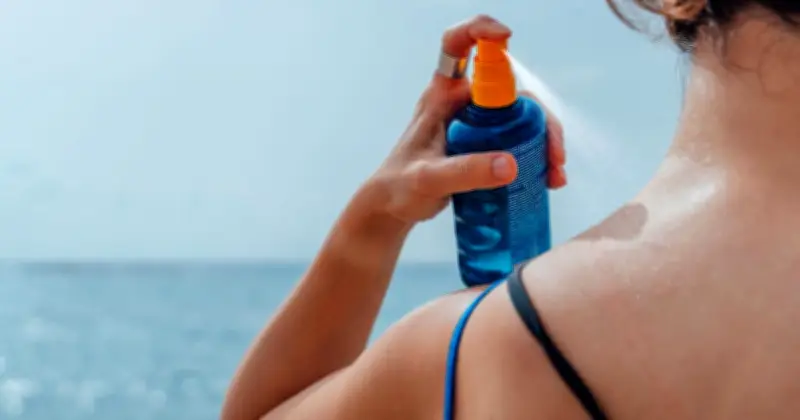
A skin expert is urging people to turn their sun cream bottles around before applying any to their bodies, or risk causing more harm than good and potentially damaging their skin. Ignoring this alert could mean that people who thought they were protecting themselves end up with painful and avoidable problems.
Why Expired SPF Fails
Dr Nora Jaafar, a medic with 10 years of NHS experience, said: "A friend of mine sent me a picture [of her sunburns] after slathering her body in SPF 50, and [we] can clearly see something's gone wrong." Explaining the importance of turning sun cream bottles around, she said: "I told her, check the back of the SPF you used and check if it's expired."
Just like most products, SPF has a use-by date when people should throw away any leftovers. Unlike food in the supermarket, there isn't a firm date printed on every bottle of sun protection. Instead, most have a small 'pot-shaped' symbol on the back to indicate exactly how long they can use the product with full protection. In that sign, there is usually a number that indicates how many months the active ingredients remain effective from the day the bottle is opened, not from the time of purchase.
How to Stay Safe
Dr Nora said: "Once SPF has expired, the UV filters have been broken down. Even though you feel protected because you've put something on your skin, nothing's working. So, when you do have SPF, try and write the date that you opened it onto the lid. Even if that's on the inside, just to remind yourself."
According to the NHS, most people do not apply enough sun cream. The health service said: "As a guide, adults should aim to apply around six to eight teaspoons of sunscreen if you're covering your entire body. If sunscreen is applied too thinly, the amount of protection it gives is reduced. Sunscreen should be applied to all exposed skin, including the face, neck and ears, and head if you have thinning or no hair, but a wide-brimmed hat is better."
Risks of Sun Damage
The cosmetic dermatologist also claims that, even though the bottles say these products can last for months, people should use them up well before the expiry date if they plan to stay sun-safe. Skipping daily SPF exposes your skin to harmful ultraviolet (UV) radiation, increasing your risk of DNA mutations and, in turn, your risk of skin cancer.
Cancer Research UK states that nine in 10 cases of melanoma skin cancer could be prevented by staying safe in the sun. It added: "The sun is often strong enough to cause damage in the UK between mid-March and mid-October, even when it’s cold or cloudy."
People should also be aware that repeated sun damage can cause premature signs of ageing, stubborn dark spots, and long-term inflammation. Consistent damage over time alters how skin repairs itself, making scars and post-breakout marks more prominent and permanent.




