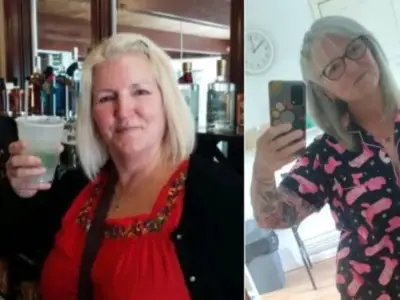
Black American women are increasingly traveling to South Korea for healthcare, drawn by affordable, comprehensive diagnostic testing and a patient-first approach that contrasts with their experiences in the US. According to William Ban, co-founder of the preventive health platform Himedi, requests from Black American women for comprehensive health check-ups have risen significantly over the past several years. “Our clients have told us they want to know what’s actually going on in their body,” Ban said. “They arrive in Korea and access a level of diagnostic thoroughness with same-day imaging, comprehensive panels and specialist review that would take months and significant out-of-pocket cost to assemble in the US, if they could access it at all.”
Health Disparities Driving Medical Tourism
Black American women face disproportionately high rates of cardiovascular disease and hypertension, yet studies show they often experience delays in diagnosis and treatment. They also face higher risks for gynecological disorders like endometriosis, fibroids, and breast cancer, due to structural inequities and implicit bias. Preventive care in South Korea, where one-day health exams bundle cardiovascular imaging, thyroid ultrasounds, gynecological screenings, and bloodwork, offers a solution. Adzua Agyapon, a 36-year-old non-profit worker from Washington DC, visited Medione medical center in Seoul in April. She discovered a 10cm fibroid during her exam, despite regular checkups in the US. “I had no idea about it despite having annual checkups and having a good relationship with my medical team at home,” she said. Her comprehensive health check-up cost just under $600.
Patient Experiences: Compassion and Efficiency
Many Black women report feeling dismissed in the US healthcare system. Elizabeth Oputa, a 42-year-old brand strategist from Jersey City, said, “In the US, when I go to see a doctor, I usually feel rushed, not heard, and that I don’t even have time to give them all the information.” She traveled to South Korea twice for health checkups, alopecia treatments, and spa treatments. She noted the stark difference in how she was treated when removing her wig due to alopecia: “In Korea, I don’t feel any type of prejudice. I felt very much at ease. I felt like a patient given the same level of care as the next person.” Agyapon echoed this sentiment: “The medical staff were just so accommodating, so kind, and so patient. That level of compassion and concern is not something I’ve ever experienced in America.”

Beyond Cosmetics: Preventive Care and Skincare
South Korea is known for cosmetic dermatology, but visitors are discovering comprehensive preventive medicine. Fumi Ekhator, a 35-year-old attorney from Philadelphia, visited a skin clinic in September 2025. Despite concerns about her dark skin tone in a homogenous country, the clinic proactively discussed precautions for hyperpigmentation. “It was nice not having to press for anything, or explain anything,” she said. At a Korean pharmacy, a pharmacist cautioned her about using hydroquinone on dark skin. “There was just an awareness and sort of caution that felt very inclusive.”
Systemic Comparison: US vs. South Korea
Ban explained that preventive health checkups are deeply embedded in Korean culture, with employer sponsorship and government subsidies. “Clients aren’t navigating a system designed primarily for sick care. They’re using infrastructure that was purpose-built for what they actually want: to know their baseline and catch problems early.” Dr Terika L Haynes, a 44-year-old travel adviser from Orlando, booked a trip in May after becoming self-employed and uninsured. She completed blood work, vision and hearing tests, a mammogram, pap smear, and vein test in under three hours. “They did a lot more testing than we typically do at an annual checkup in the US,” she said.

Limitations and Future Plans
Medical tourism remains a privilege for those with financial means and does not address systemic inequities. However, the women interviewed plan to return for routine checkups, viewing the trips as an investment in their health. Haynes said, “I felt like they were very open and welcoming to any questions and concerns that you may have, which is different for a lot of Black women in the US who seek healthcare.” Agyapon added, “A trip to Korea will be amazing and fun, but it could also literally save your life.”