
A potential revolution in understanding and treating depression is emerging, with doctors describing it as one of the strongest discoveries in psychiatry in the last 20 years. The theory centres on the idea that the immune system may be causing depression in some patients by triggering inflammation that alters brain function.
Professor Ed Bullmore, head of psychiatry at the University of Cambridge, is at the forefront of this approach. He argues that inflammation and depression often go hand in hand, drawing parallels with how people feel when they have flu—becoming less sociable, more sleepy, and experiencing negative thinking patterns.
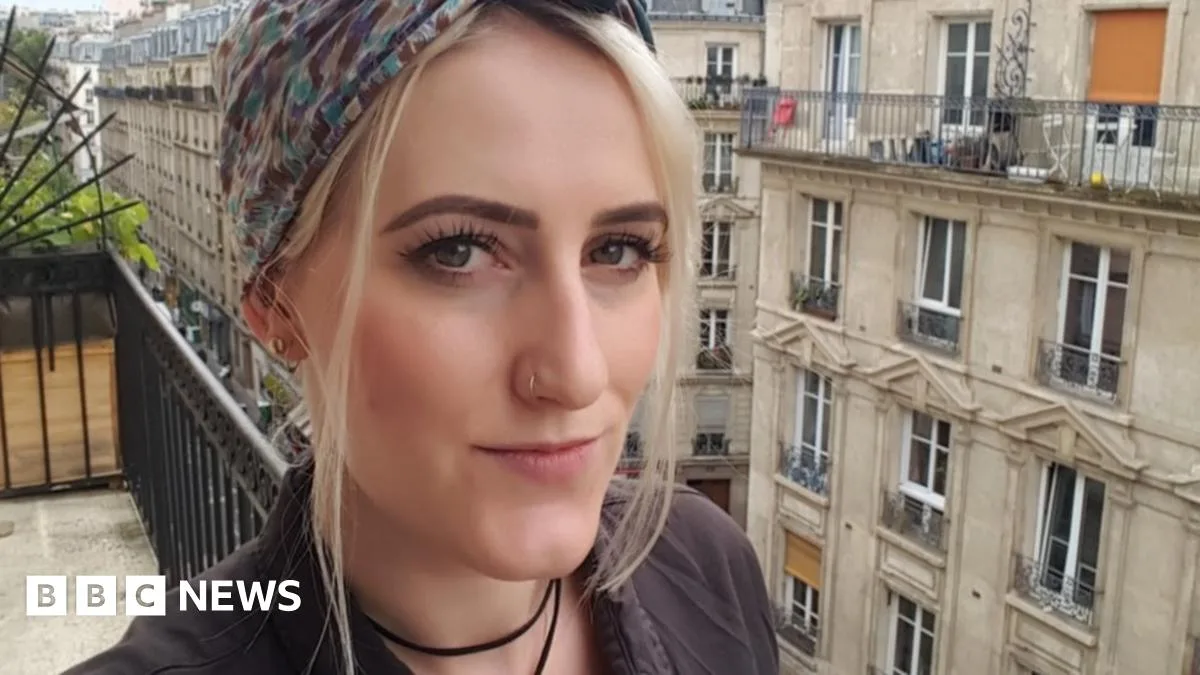
About one-third of depressed patients have consistently high levels of inflammation. Hayley Mason, 30, from Cambridgeshire, has raised inflammation markers—her level is 40 compared to a normal reading under 0.7. She describes severe depression that confines her to bed and her home, with suicidal thoughts and self-harm.
Evidence from arthritis clinics supports the link. Patients with rheumatoid arthritis given precise anti-inflammatory drugs showed rapid improvements in mood, beyond what would be expected from pain relief alone. Brain scans revealed favourable changes in neuro-chemical circuitry involved in depression after immune-targeted therapy.
Professor Iain McInnes, a consultant rheumatologist at Glasgow Royal Infirmary, noted that patients experienced a remarkable increase in well-being and mood state. While existing treatments help most people, many do not respond, prompting scientists to explore this new frontier.




