
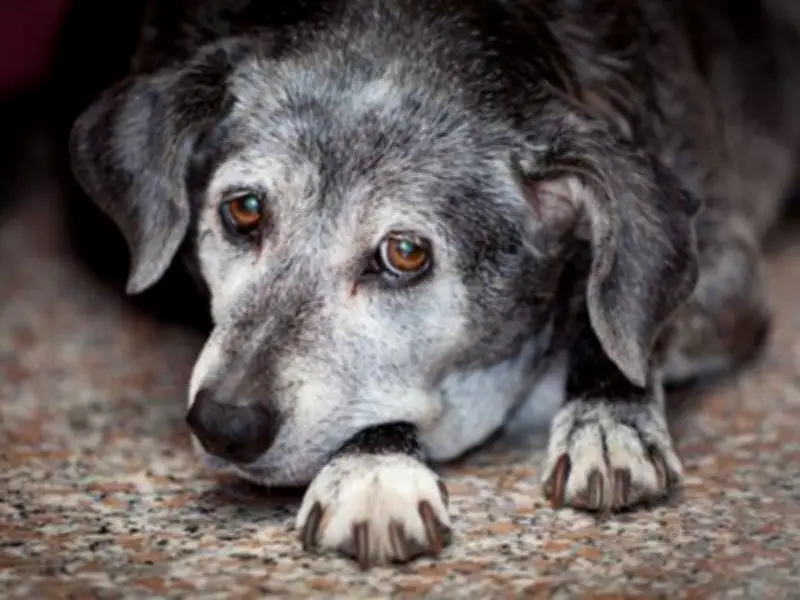
Dogs can develop a condition known as Cognitive Dysfunction Syndrome (CDS), often referred to as "doggy dementia," which can be a heartbreaking diagnosis for pet owners. Dr Charlotte Rice, an in-house vet at pet supplement brand YuMOVE, explains that this condition is far more common than many owners realize and shares six key warning signs to watch for.
Disorientation in Familiar Settings
One of the earliest signs of doggy dementia is disorientation. Dr Rice notes that if your dog seems lost or confused in familiar surroundings, it could be a red flag. This behavior should not be dismissed, as it may indicate cognitive decline.
Increased Irritability or Changed Interactions
Another key behavioral change is heightened irritability or altered engagement with people and other animals. Dr Rice states, "If your dog starts to interact in different ways than usual, such as being more snappy or nervous, this could be a sign of doggy dementia." A previously calm dog may become detached, reactive, or anxious in once-comfortable situations.
Anxiety Without Obvious Cause
Anxiety is a revealing indicator, especially if your dog appears restless in familiar circumstances. Pacing, whining, or avoiding touch can signal increased sensitivity to sights and sounds. Dr Rice advises that dogs with dementia can feel stressed by stimuli they once ignored.
Memory Loss
Memory loss is another warning sign. Dogs may forget previously mastered training, such as housebreaking or responding to basic commands. Dr Rice urges owners to consult a vet if a well-trained dog starts having accidents indoors.
Disturbed Sleep Patterns
Changes in sleep are common, including sleepless nights, purposeless roaming, or vacant staring. These behaviors are frequently observed in dogs suffering from CDS.
Changes in Activity Levels
Unexplained shifts in daily activity, such as increased or decreased movement, can also indicate cognitive issues.
While there is no cure for doggy dementia, Dr Rice encourages pet owners to be patient and compassionate. "Be loving and understanding with your furry friend — and kind to yourself too," she says. If you notice any of these signs, it is important to speak with your vet for guidance and support.




