
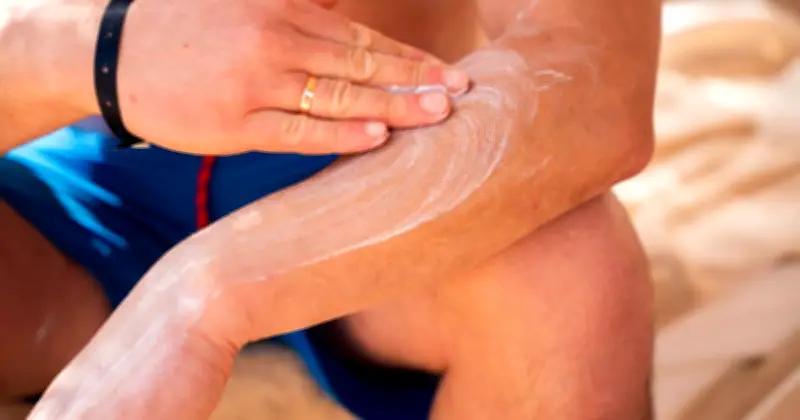
As the UK prepares for a week-long 34C heatwave that could set a record for the hottest June day, a new study has uncovered alarming attitudes toward sun exposure. One in five Brits consider sunburn a necessary part of getting a tan, despite the risk of melanoma and severe burns, according to a survey of 2,000 adults conducted by OnePoll for Bupa.
Deliberate Sun Exposure Without Protection
The research found that 41% of adults admitted to purposely sitting in the sun without protection to achieve a more bronzed look. One in five (19%) have suffered such serious burns that they required medical help, with nearly a quarter (23%) of those visiting a minor injuries unit or A&E.
While 58% of those who have been sunburned simply lost track of time or forgot to apply sunscreen, four in ten were caught out by the strength of the sun's rays. The study also revealed that 38% of those who have burned previously do not worry about the impact on their risk of developing skin cancer. Of these, 23% feel it is not a concern because they only burn occasionally, and 10% do not believe the UK sun is strong enough to cause the disease.
Expert Warning on UV Damage
Tim Woodman, medical director for policy and cancer services at Bupa UK Insurance, said: “Many people underestimate the strength of the UK sun and the seriousness of sunburn, enjoying heatwaves and sunny spells without prioritising skin protection. However, UV damage can build up over time and can significantly increase the risk of skin cancer. That’s why it’s crucial to protect yourself from the sun and wear sunscreen, even on cooler or cloudy days.”
The face is the most common area to be burned (43%), followed by shoulders (38%), arms (33%), and scalp (20%). The survey also found that 46% of adults are not confident they could spot signs of possible skin cancer, and a quarter (24%) are unaware that changes in an existing mole could be an early indicator. One in four (26%) do not consider a new mole, lump, spot, or rough patch of skin as something to watch for, and 53% would not be alarmed by an itchy or sore patch of skin.
Low Skin Checking Habits
Despite Bupa's recommendation to check for new moles or changes to existing ones at least once a month, only 36% of adults do so, and a quarter have never checked their skin. Dr. Woodman added: “Melanoma, which is the most serious type of skin cancer, is now the fifth most common cancer in the UK, yet an estimated 86% of cases are preventable. Checking your skin for new moles or lesions, or changes to existing ones, at least once a month will help you to spot signs of potential cancer early. If you notice anything unusual, like a mole changing in size, shape or colour, seek medical advice as soon as possible.”
Regional Sunburn Hotspots
Coventry was named the sunburn capital of the UK, with nearly half (47%) of its residents always or often burning during a typical summer—more than twice the national average of 18%. Two-thirds (67%) of those in the Midlands city also forgo sunscreen to boost their chances of tanning, the highest proportion in the country. Belfast came second, with a quarter of residents usually burning, followed by Liverpool, Birmingham, and Edinburgh (all 24%). Sheffield was found to be the most sun-conscious city, with just 8% tending to burn over a typical summer.




