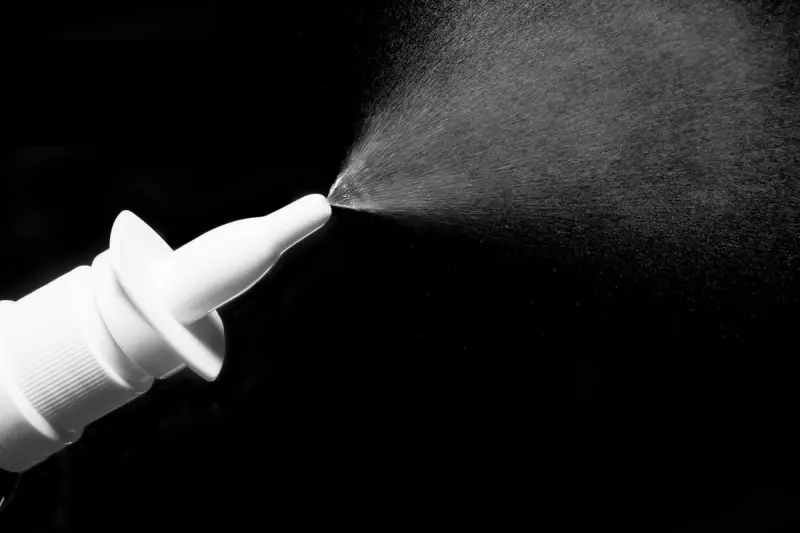
A leading health body has issued a stark warning to the millions of Britons using nasal decongestant sprays, cautioning that prolonged use can trap users in a cycle of worsening symptoms.
The Seven-Day Limit You Must Not Ignore
The Royal Pharmaceutical Society (RPS) states that while these sprays offer effective short-term relief from blocked noses caused by colds, allergies, or sinusitis, they should never be used for more than seven consecutive days. Ignoring this limit risks causing a preventable condition known as 'rebound congestion' or rhinitis medicamentosa.
This condition sees the original congestion symptoms return more severely, creating a dependency where patients feel they need the spray constantly just to breathe comfortably. A recent RPS survey of 300 pharmacists revealed a significant public knowledge gap, with 59% of pharmacists believing patients are unaware of this danger.

Clearer Warnings and Public Intervention Needed
The poll highlighted strong support for clearer product labelling. Almost three-quarters (74%) of the pharmacists surveyed said packaging should feature more prominent warnings about the critical seven-day usage limit.
Furthermore, the research shows pharmacists are actively stepping in to address misuse, with 63% reporting they had intervened in cases of suspected overuse. Professor Amira Guirguis, chief scientist at the RPS, emphasised the urgency of the message.
"Nasal decongestant sprays can be helpful for short-term relief, but using them for longer than seven days can make your congestion significantly worse," she said. "Our research shows that many people are unaware of this risk, which means they may continue using these sprays without realising they could be prolonging their symptoms."
Professor Guirguis called for unmissable warnings on packaging and urged anyone suffering from congestion lasting more than a week to consult their pharmacist for safe and effective alternative treatments.
Warning Coincides with Winter Virus Surge
This public health advice comes as the NHS contends with a post-holiday spike in winter viruses. Data from NHS England shows the number of people hospitalised with flu in England averaged 2,924 each day in the week ending 4 January 2026. This marked a 9% increase from the 2,676 recorded the previous week, reversing a previous downward trend.
The strain on health services is further evidenced by ambulance handover delays. Last week, 33% of patients arriving by ambulance at hospitals in England waited at least 30 minutes to be handed over to A&E teams. This is a sharp rise from 18% the week before and represents the highest figure so far this winter, with New Year's Eve – traditionally one of the busiest nights for ambulance crews – included in this period.
The RPS's final guidance is clear: always follow the instructions on the packet and seek professional advice from a pharmacist if nasal congestion persists beyond the one-week mark.