
Britain is experiencing what has been described as the 'most severe drug shortage on record,' as the cost of common medications skyrockets. A leading pharmacist has raised alarms over the escalating crisis.
Pharmacist Sounds Alarm
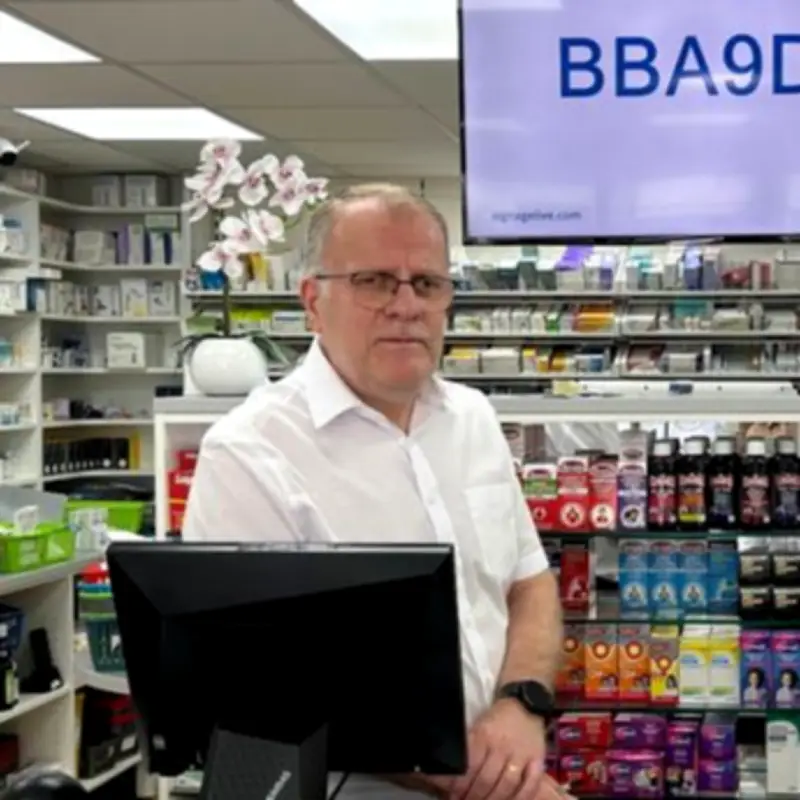
Mo Almobaraki, a 57-year-old pharmacist who owns two chemists in Bristol, has voiced his deep concern. He stated that obtaining basic medicines such as aspirin, heart medication, and blood pressure drugs has become increasingly difficult. Beta blockers, HRT (hormone replacement therapy), and Creon—used for pancreatic insufficiency—are also hard to acquire.
Last week, the price of a statin medication, used to lower cholesterol, surged overnight from £1 to £22—a 2100% increase. This comes after Olivia Picard, chair of the National Pharmacy Association (NPA), which represents 6,000 independent community pharmacies in the UK, noted that current shortages are among the most severe the country has ever seen.
Impact on Patients and Pharmacies
Mo, with 26 years in the industry, expressed worry for elderly patients who depend on their medication. 'People are worried about their medication—elderly people—and they can't get it. It's just so difficult and so concerning,' he said.
Pharmacies purchase medications and are reimbursed by the NHS. However, Mo explained that his business is forced to pay extra for drugs as prices rise, while the NHS reimbursement rates remain unchanged. With approximately five million people in the UK using statins, he noted that thousands, perhaps millions, of packets are dispensed daily, but pharmacies bear the financial burden.
'Either we refuse to give it to the patients because we are unable to obtain it, or if we are able to obtain it, we have to pay extra above the reimbursements from the NHS,' Mo said. This shortfall results in losses for pharmacies, meaning they operate in the negative.
Patient Safety at Risk
Mo emphasized the impact on patient safety: 'If we can't get it, that will have an impact on patient safety. The patient is either left without medication or has to run around between different pharmacies.' The situation also consumes pharmacy staff time, as they must contact various suppliers and wholesalers, and coordinate with doctors' surgeries for alternatives.
The crisis did not begin recently. Mo noted that it has been worsening since the pandemic lockdown. 'It's just been getting worse since the lockdown, the pandemic. I think it's getting worse and worse and worse,' he said.
Serious Shortage Protocols Extended
Serious Shortage Protocols (SSPs) have been in place for Creon since May 2024 and were extended by the NHS in April until July 10—a new record. Similarly, Estradot, an HRT drug, has had an SSP since December 2024, also extended to July 10.
Mo also highlighted that his business is being 'squeezed really hard on both sides.' Beyond the medication availability and cost issues, the Pharmacy First scheme, introduced in early 2024, adds pressure. While the scheme allows NHS pharmacies to supply prescriptions for minor illnesses to alleviate NHS strain, the combination of drug shortages and increased demand further strains pharmacy operations.




