Pharmacist's Vital Alert for 5 Million Atorvastatin Users in the UK
Pharmacist's Alert for 5 Million Atorvastatin Users

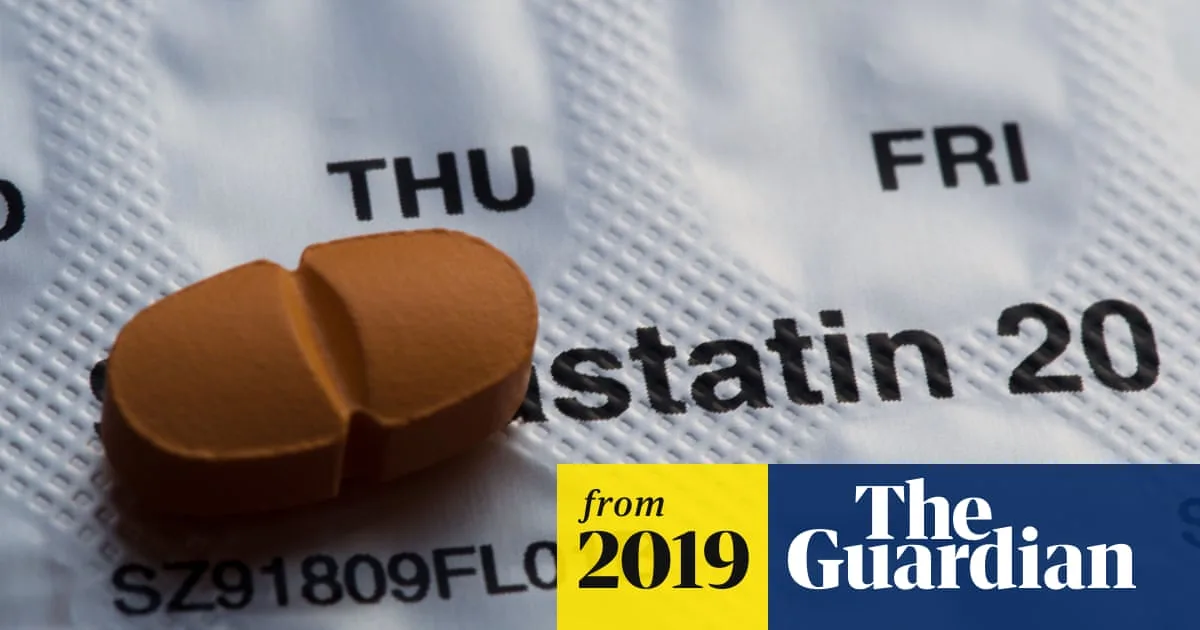
A pharmacist has issued a crucial warning to the approximately five million individuals in the United Kingdom who are currently prescribed atorvastatin, a widely used statin medication. The expert emphasises that while some side effects may diminish as the body adjusts, there are specific "key early side effects" that patients must not overlook, as they could indicate serious health risks.

Understanding Atorvastatin and Its Usage

Atorvastatin belongs to a class of drugs known as statins, which are primarily prescribed to lower high blood cholesterol levels. According to the National Health Service (NHS), this medication helps prevent cardiovascular diseases such as heart attacks and strokes. It is often recommended for those with a family history of heart conditions or individuals managing long-term health issues like type 1 or type 2 diabetes, or rheumatoid arthritis.

Recent data from the National Institute for Health and Care Excellence (NICE) shows a significant increase in uptake, with the number of people taking atorvastatin at recommended doses rising from 4.2 million in 2022/23 to 5 million in 2023/24. This underscores the medication's prevalence and the importance of awareness regarding its potential adverse effects.

Common and Serious Side Effects to Monitor

The NHS lists several common side effects of atorvastatin, which may include feeling nauseous, indigestion, headaches, nosebleeds, a sore throat, cold-like symptoms, constipation, flatulence, and diarrhoea. However, the pharmacist highlights that more severe reactions require immediate attention.

Patients are advised to stop taking atorvastatin and contact a doctor or call 111 without delay if they experience:

  • Unexplained muscle pain, tenderness, weakness, or cramps, which could signal muscle breakdown and kidney damage.
  • Yellowing of the eyes or skin (less noticeable on darker skin), pale stools, and dark urine, indicating possible liver problems.
  • A skin rash with pink or red blotches, especially on the palms or soles, which may be a sign of erythema multiforme.
  • Severe stomach pain, potentially pointing to acute pancreatitis.
  • A cough, shortness of breath, and weight loss, which could be symptoms of lung disease.
  • Weakness in the arms or legs that worsens with activity, double vision, drooping eyelids, swallowing difficulties, or shortness of breath, possibly indicating myasthenia gravis.

In emergencies, such as sudden swelling of the lips, mouth, throat, or tongue, severe breathing difficulties, or a blue, grey, or pale discolouration of the skin, individuals should call 999 immediately.

Expert Insight on Muscle Pain and Monitoring

Peter Thnoia, Superintendent Pharmacist at NHS-registered pharmacy PillTime and a registered pharmacist with the General Pharmaceutical Council, provides detailed guidance. He stresses that muscle pain that does not ease is a critical early side effect to watch for, particularly if it intensifies or affects larger muscle groups.

"This discomfort can range from mild to increasingly severe, but both cases should be taken seriously and prompt patients to contact their GP surgery," Thnoia explains. "The patient information leaflet refers to this as myopathy, meaning muscle pain. When pain becomes significant enough to limit physical activity, it may indicate that an alternative treatment to atorvastatin is needed."

He adds that in severe instances, atorvastatin can lead to muscle fibre damage, making it essential to report persistent or worsening pain to a GP. Blood tests may be necessary to assess suitability and determine if a different medication is required.

Cholesterol Changes and Long-Term Benefits

Thnoia notes that patients can expect a significant reduction in cholesterol levels within about four weeks, confirmable through blood tests. While private testing is an option if NHS services are unavailable, the full benefits of lower cholesterol develop gradually over months to years.

"Over time, lower cholesterol means less fatty plaque buildup in the arteries, improving blood flow," he says. "With healthy lifestyle adaptations, patients may feel more energised and alert. The benefits are subtle and build over time, so regular blood tests can help ensure the treatment is effective and worth continuing."

Medication Reviews and Suitability Concerns

Tolerance to atorvastatin varies among individuals, and there is no single predictor of response. Thnoia advises that if the first month passes without issues, most people can continue the medication. However, he urges patients to familiarise themselves with the side effects listed in the medication leaflet and report any concerns to their GP for proper monitoring and management.

The NHS specifies that atorvastatin may not be suitable for everyone. Patients should inform their doctor if they have a history of allergic reactions to the drug, liver or kidney problems, are pregnant or breastfeeding, have lung disease, have had a stroke caused by bleeding into the brain, regularly consume large amounts of alcohol, have an underactive thyroid, have experienced muscular side effects from statins previously, or have a muscle disorder such as fibromyalgia or myasthenia gravis.

For further information, individuals can consult the NHS website or NICE resources, and always seek medical advice from a doctor if worried about their health or medication effects.