The festive season, often associated with joy and celebration, carries a series of unexpected health risks that go beyond the usual icy pavements and dodgy fairy lights. The UK's Medicines and Healthcare products Regulatory Agency (MHRA) has issued a comprehensive set of safety warnings to ensure the public navigates the holidays safely, highlighting dangers from the Christmas dinner table to online scams.
Christmas Dinner Dangers: When Food and Medicine Clash
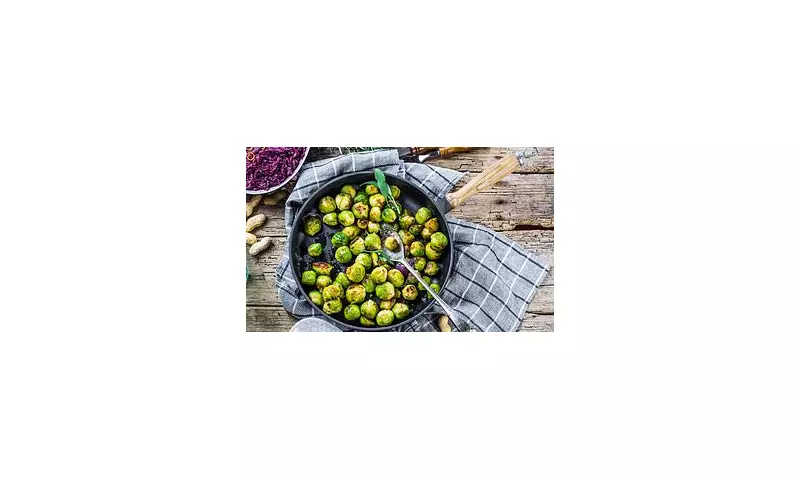
Health officials have pinpointed specific festive foods that can dangerously interact with common medications. A key warning concerns the consumption of Brussels sprouts, broccoli, and leafy greens for individuals taking the blood-thinning medication warfarin. These vegetables are rich in vitamin K, which promotes blood clotting, directly counteracting the drug's intended effect.
But the humble sprout isn't the only staple on the watchlist. The MHRA also cautions that cranberry products can increase the risk of bruising and bleeding for those on warfarin. For people using insulin, overindulging in chocolates and sugary treats can lead to unpredictable and dangerous changes in blood sugar levels.

Furthermore, the agency warned that aged cheeses and dark chocolate contain high levels of tyramine. This substance can cause serious problems for people prescribed a specific class of antidepressants known as monoamine oxidase inhibitors (MAOIs). The MHRA advises patients to always check the information leaflet accompanying their prescription.
Crackdown on Counterfeit 'Miracle' Weight Loss Injections
With New Year's resolutions looming, the MHRA has issued a stern alert against the growing market of fake weight loss jabs sold online. The legitimate versions, such as Ozempic (semaglutide) and Mounjaro (tirzepatide), made by pharmaceutical giants Novo Nordisk and Eli Lilly, are prescribed on the NHS for type 2 diabetes but are also sought after for weight loss.
The huge global demand has led to a flood of counterfeit products. These fake injections can be contaminated, incorrectly dosed, or contain unlisted ingredients, posing severe health risks. Victims have suffered seizures and life-threatening comas. The MHRA stresses that these jabs should only be obtained with a prescription from a qualified healthcare professional and purchased from a pharmacy registered with the General Pharmaceutical Council (GPhC).
Everyday Risks: Paracetamol, Creams, and Common Sense
The guidance extends to more commonplace winter health habits. The MHRA warns that many people accidentally overdose on paracetamol by taking multiple remedies like Lemsip, cough syrups, and decongestants that all contain the same active ingredient. An overdose can cause severe liver and kidney damage, which may prove fatal.
Another hidden danger comes from emollient creams used for dry skin. Residue from these creams can soak into clothing and bedding, making them highly flammable. With more open fires and candles lit during winter, this presents a significant fire hazard. The agency recommends regular washing of fabrics and keeping treated skin away from naked flames.
Additional advice includes not drinking alcohol when using mobility scooters or powered wheelchairs, as they are medical devices, and ensuring vitamin D supplements are taken only at the recommended dose of no more than 100 micrograms daily.
Dr Alison Cave, the MHRA's chief safety officer, emphasised the importance of vigilance: "The festive season is a time to come together... But as we fill our homes with light, warmth and cheer, it's important we don't forget safety." By heeding these warnings, the public can better protect their health and ensure their celebrations remain safe.