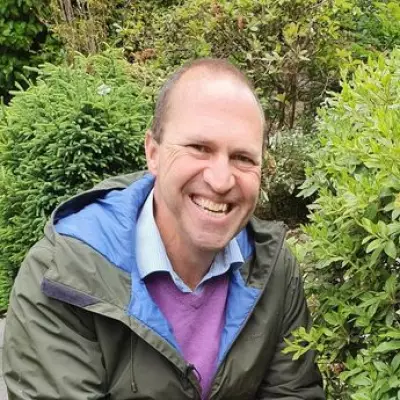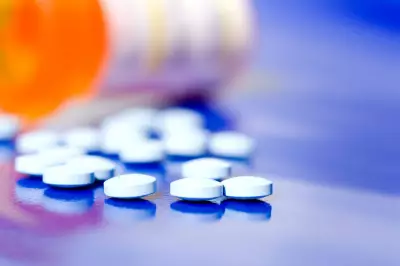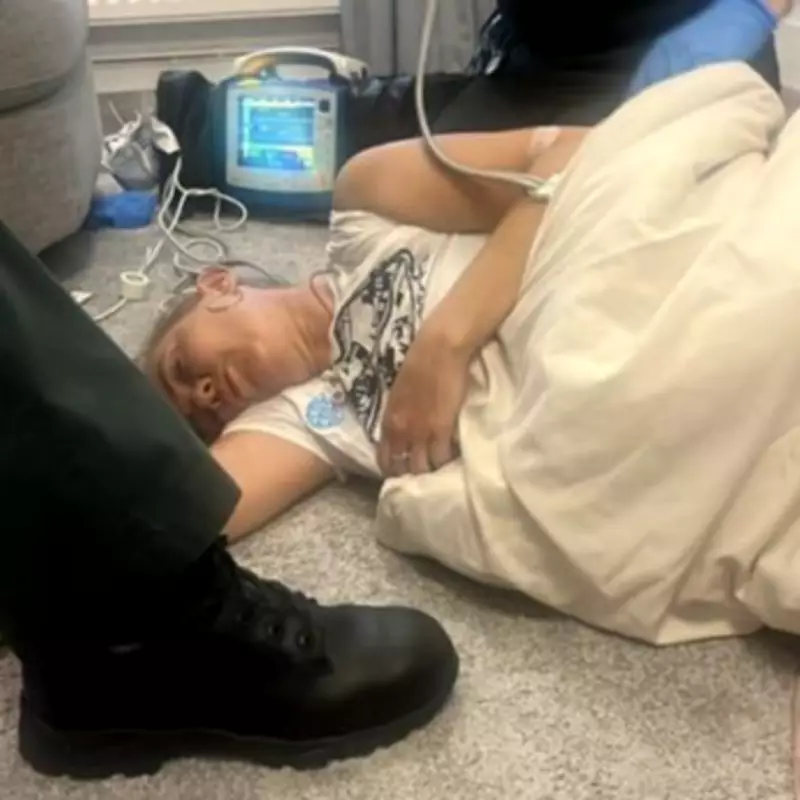
A 47-year-old woman has issued a stark warning after she nearly died from injecting a counterfeit weight-loss medication she purchased through a Facebook advertisement. Michelle Sword, a school receptionist from Carterton in Oxfordshire, collapsed into a diabetic coma just twenty minutes after administering the pen, which was later found to contain fast-acting insulin instead of the promised semaglutide.
A Desperate Search Leads to a Life-Threatening Scam
Michelle first turned to legitimate weight-loss injections in 2020, successfully losing two stone after her marriage ended. She maintained her weight through exercise and healthy eating until 2023, when hormonal changes during menopause led to weight regain. Panicked and seeking a quick solution, she bypassed official channels due to perceived shortages and purchased a pen advertised directly on her Facebook feed for £150 via PayPal.
"I panicked and wanted a quick fix," Michelle admitted. "When I saw the jabs advertised right on my Facebook feed for the same price I paid previously - it seemed like a no-brainer." The pen arrived promptly and appeared identical to her previous, legitimate Ozempic pens.

Minutes From Death: A Lucky Escape
The injection itself felt abnormal. "The dose on the pen did not stop after one click. It just kept clicking," Michelle recalled. Within twenty minutes, she became violently ill, sweating profusely before losing consciousness on her floor.
Her survival hinged on sheer chance. Her 15-year-old daughter returned home unexpectedly early and discovered her mother unconscious. A friend was called, who dialled 999. Paramedics arrived within twelve minutes and fought for over ninety minutes to stabilise her after rushing her to hospital.
Doctors discovered her blood sugar level had plummeted to a near-fatal 0.2 millimoles per litre, a level where she was, in her words, "virtually on the brink of death." Tests confirmed the pen contained insulin, not semaglutide, inducing a severe diabetic coma.
The Alarming Scale of Counterfeit Medication in the UK
Michelle's harrowing experience is not an isolated incident. Data from the Medicines and Healthcare products Regulatory Agency (MHRA) reveals a troubling trend, with over 6,500 counterfeit pens seized in the UK across a little more than two years. Thousands of these unlicensed injections were intercepted in 2025 alone.
Ahsan Bhatti, a pharmacist and owner of the online pharmacy Quick Meds, emphasised the grave risks. "These non-compliant injectables are a genuine risk to patient safety," he stated. "We are unable to verify how they’ve been manufactured - whether they’ve been stored safely, let alone whether the dosage is even correct."
Red Flags: How to Spot a Dangerous Fake
Now recovered and committed to never using weight-loss jabs again, Michelle is determined to educate others. She and experts point to several critical warning signs that a medication offer is fraudulent:
- No Eligibility Checks: Legitimate prescription medications like semaglutide require a consultation. If a seller asks no health questions, it is a major red flag.
- Unofficial Payment Methods: Requests for payment via PayPal, direct bank transfers, or other informal channels are highly suspect compared to regulated pharmacy portals.
- Too-Good-To-Be-True Pricing: While Michelle's fake was priced normally, significantly low prices often indicate a scam.
- Poor Packaging Quality: Spelling mistakes, instructions in foreign languages, or missing information on the packaging or pen are clear indicators of counterfeiting.
"It's absolutely disgusting there are people out there who prey on people's insecurities," Michelle said. "And it's also not helpful that social media platforms endorse these fakes with pop-up advertisements. There should definitely be some regulation for that."
A Lifesaving Plea for Caution and Regulation
Michelle's final message is a powerful plea for public safety. "If you are looking to buy weight loss jabs, please speak with professionals or visit your GP," she urged. "Being skinny isn't worth dying for. I want to make sure that no one makes the same mistake I did."

Pharmacist Ahsan Bhatti strongly echoed this advice, warning the public to avoid purchasing any medication from unverified sources on social media platforms or messaging apps. He encouraged anyone who suspects counterfeit sales to report them immediately to the MHRA via its Yellow Card safety scheme.