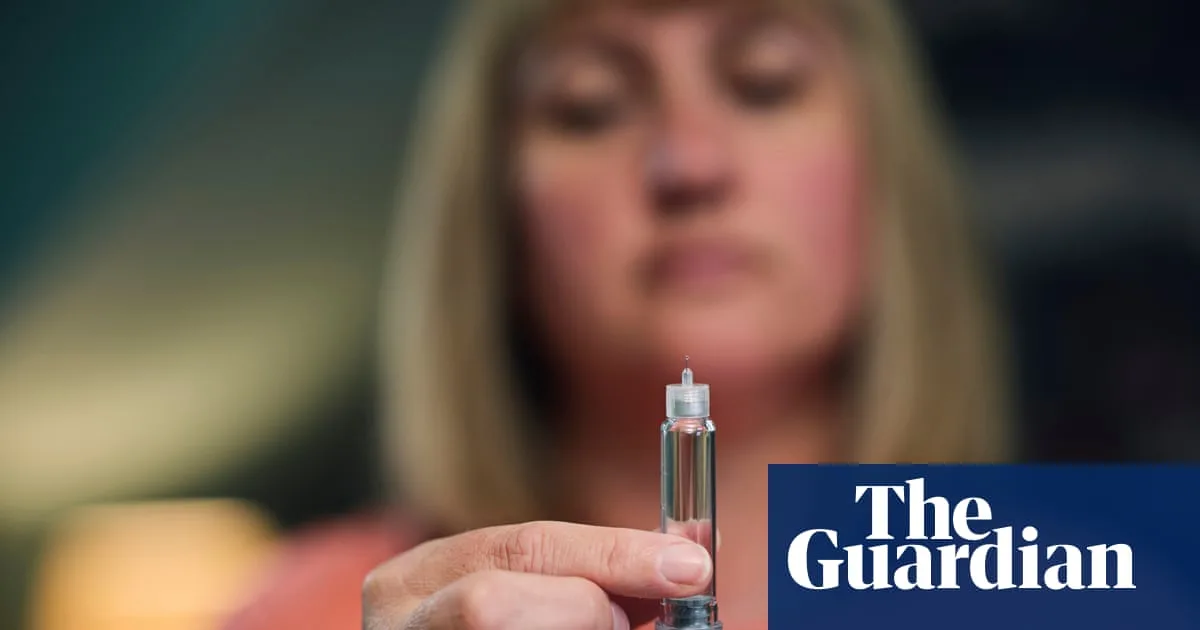
The World Health Organization has warned that a shortage of 'breakthrough' weight loss drugs such as Mounjaro and Ozempic will slow the global fight against obesity, which is projected to double by 2030. Currently, only about 100 million people can access these medications, representing just 10% of the 1 billion who could benefit.
In a statement published in the Journal of the American Medical Association, the WHO urged countries to make glucagon-like peptide-1 (GLP-1) therapies more accessible and called on pharmaceutical companies to lower prices and expand production. The drugs are seen as a 'new chapter' in treating obesity, which the WHO now classifies as a chronic disease rather than a lifestyle condition.
The WHO highlighted that the number of obese individuals is expected to rise from 1 billion to 2 billion by 2030, with global costs reaching $3 trillion. While the drugs can reduce risks of heart attacks, strokes, type 2 diabetes, and other conditions, they are not a standalone solution. The WHO emphasised the need for healthier diets, exercise, and lifestyle counselling alongside medication.
Dr Tedros Adhanom Ghebreyesus, WHO director general, said: 'While medication alone won’t solve this global health crisis, GLP-1 therapies can help millions overcome obesity and reduce its associated harms.' Three major barriers were identified: production capacity, health system preparedness, and universal access to healthcare.
In the UK, the Obesity Health Alliance noted that access remains limited and supply fragile. Executive director Katherine Jenner warned: 'We cannot medicate two-thirds of the population indefinitely.' The WHO also advised that pregnant women should not use these drugs.