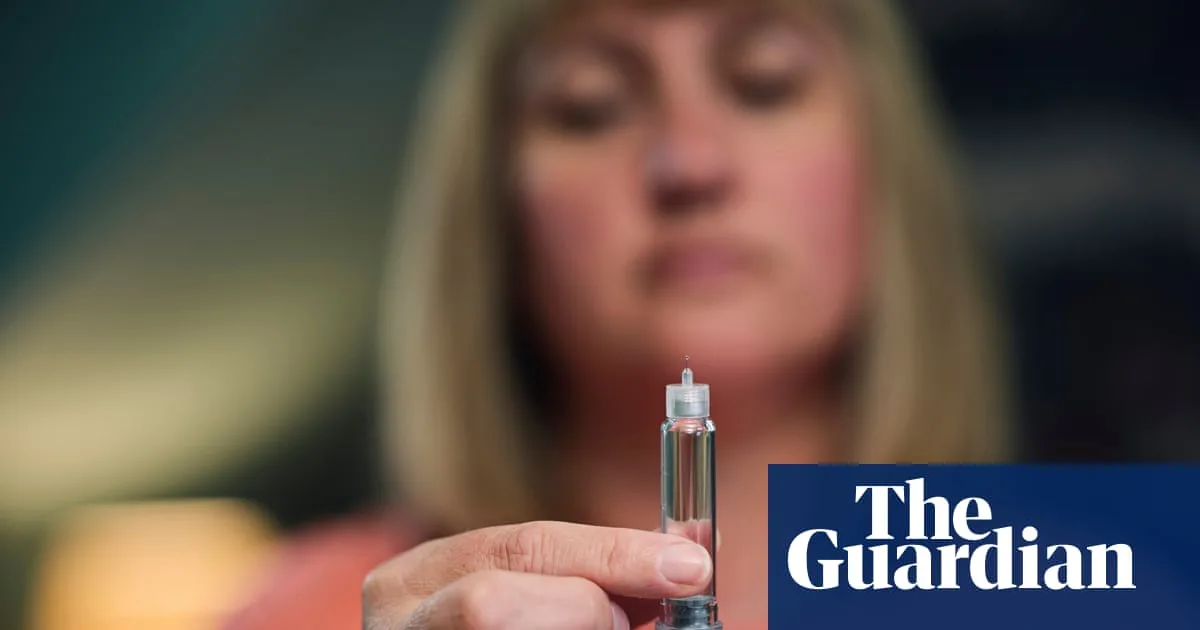
WHO Declares Weight Loss Drugs a 'New Chapter' in Global Obesity Fight
WHO: Weight loss drugs a 'new chapter' against obesity

The World Health Organization has issued a landmark statement, declaring that a new generation of weight loss medications represents a fundamental shift in the global battle against obesity. The health body stated these drugs offer a "new chapter" in treatment but warned that major barriers around cost and supply must be overcome to prevent a two-tier global health system.

A Tipping Point in Treatment

In a special communication aimed at health professionals, the WHO emphasised that glucagon-like peptide-1 (GLP-1) therapies such as Mounjaro and Ozempic are more than just a scientific advance. They signify a crucial change in how society views obesity—moving away from seeing it as a simple lifestyle choice and towards understanding it as a complex, chronic disease that is both preventable and treatable.

"GLP-1 therapies mark more than a scientific breakthrough," the WHO's statement in the Journal of the American Medical Association said. "They represent a new chapter in the gradual conceptual shift in how society approaches obesity." The organisation's director-general, Dr Tedros Adhanom Ghebreyesus, added that while medication alone is not a cure-all, these therapies can help millions overcome obesity and reduce its associated harms.

The Scale of the Challenge and Access Barriers

The WHO underscored the staggering scale of the obesity crisis, with projections showing the number of people living with obesity worldwide is set to double from 1 billion to 2 billion by 2030. The associated global costs are predicted to hit a colossal $3 trillion by the same date.

However, the current reality of access is stark. The WHO warned that limited global production capacity means only about 100 million people could currently receive these drugs, a mere 10% of the 1 billion who could medically benefit from them. To address this, the organisation called for urgent action from both governments and pharmaceutical companies.

It urged countries to integrate these treatments into their health services and implored drug firms to adopt tiered pricing models, where poorer nations pay less, to dramatically expand access. The statement, authored by senior WHO doctors including Jeremy Farrar, also made clear that pregnant women should not use GLP-1 therapies.

Not a 'Silver Bullet'

The WHO and UK health experts were clear that these powerful drugs are not a standalone solution. The statement stressed that individuals using them must also adopt healthier diets, increase physical activity, and receive lifestyle counselling for sustained benefits.

This view was echoed by Katherine Jenner, Director of the Obesity Health Alliance in the UK, a coalition of over 50 health organisations. "Weight-loss drugs have an important role to play, but they are not a silver bullet," Jenner said. "In the UK right now, access is still limited, supply is fragile, and NHS use is tightly targeted."

She highlighted a critical concern: most people regain weight once they stop taking these drugs, underscoring the need for long-term, holistic support systems rather than indefinite medication for populations. The WHO concluded that overcoming the triple barriers of affordability, health system preparedness, and universal healthcare access is essential to turn the potential of these drugs into a reality for all who need them.




