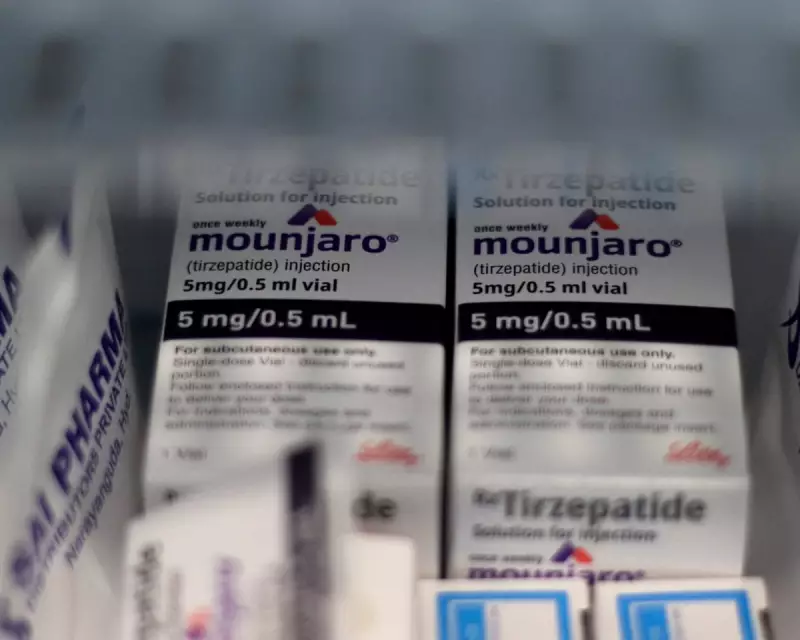
India's medical community is raising urgent concerns over a dramatic and largely unregulated surge in the use of weight loss injections, cautioning they are not a 'magic pill' for the nation's escalating crises of diabetes and obesity. This alarm follows the revelation that Mounjaro, a drug for diabetes and weight management, has become India's highest-selling pharmaceutical product just eight months after its approval, overtaking even common antibiotics.
A Market Transformed by Demand
The introduction of appetite-suppressing drugs like Mounjaro, Wegovy, and Ozempic has triggered unprecedented demand in India this year. The commercial success of Mounjaro, manufactured by Eli Lilly, has been so profound it has spurred the company to begin trials on a similar pill-form drug, potentially available by next year. A spokesperson for Eli Lilly cited rising urbanisation, sedentary lifestyles, and changing diets as key drivers, making India a 'significant market' for these innovative therapies.
Competition is intensifying, with Novo Nordisk launching Ozempic at a competitive 8,800 rupees (£73) for a monthly course, undercutting Mounjaro's 14,000 rupees (£115) price tag. However, a pivotal shift is expected by March next year when patents on many semaglutide-based drugs expire. This will allow domestic companies to flood the market with cheaper generic versions, potentially making them more accessible. Experts predict the Indian market for weight loss drugs could reach a staggering $150 billion (£112bn) annually by 2030.

An Epidemic Driving Unprecedented Need
For many, wider access to these jabs is a critical development. India faces a healthcare time bomb, with diabetes and obesity projected to become the nation's biggest killers by 2030. A recent global analysis found India has approximately 212 million adults with diabetes, over a quarter of the world's total. Furthermore, a Lancet study estimated 180 million Indian adults were overweight or obese in 2021, a figure that could soar to 450 million by 2050.
Prominent bariatric surgeon Mohit Bhandari believes official figures are a 'significant undercount' and may be 10% higher than records show. He warns the nation's underfunded health system is ill-prepared for the coming surge. While acknowledging the importance of GLP-1 drugs like Mounjaro, Bhandari is among leading voices calling for strict government control over their prescription and use.
Risks of a Free-For-All Approach
The core concern for doctors is the lack of regulation. Bhandari warns that allowing pharmacists, GPs, and even gyms and beauty clinics to prescribe these potent drugs leads to abuse and mis-prescription. 'They cause a lot of muscle loss, they can cause pancreatitis, gallstones, even blindness in some patients,' he stated, emphasising the need for rigorous patient screening and specialist oversight.
He advocates for a system where only a board of specialists can prescribe the drugs as part of a long-term programme. 'No other country will have people taking these drugs on the same scale as in India,' Bhandari cautioned. 'The scale of complications could get very high if there's no strict discipline.'
Patient Vidhi Dua, 36, who takes Mounjaro for diabetes and obesity, reported difficult side effects and expressed worry about the drugs becoming a cosmetic 'fad'. Leading endocrinologist Dr Anoop Misra of Fortis Hospital, Delhi, echoed these warnings. While he prescribes the drugs after thorough counselling, he stresses they cannot solve the nationwide epidemic alone.
'For most people, the foundation must remain nutrition education, healthier diets, exercise,' Misra said. He highlighted deep cultural challenges, noting that women often face conflict when trying to change family diets, even when health risks are known. 'Medication cannot replace lifestyle change,' he concluded, underscoring that the boom in weight loss jabs is only one part of a much larger and more complex battle for India's public health.