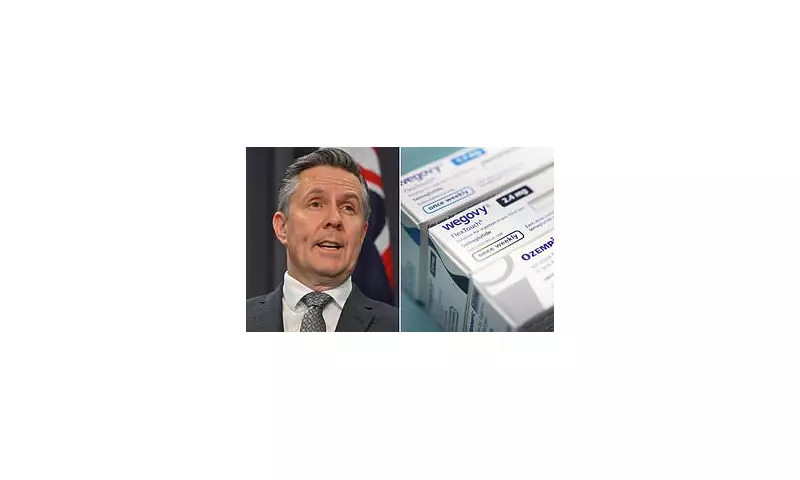
Millions of Australians living with obesity are poised for a major breakthrough in affordable healthcare, as the federal government moves to slash the cost of a blockbuster weight-loss medication.
Government Acts on Expert Advice for Subsidy
The Pharmaceutical Benefits Advisory Committee (PBAC) has formally recommended listing the drug Wegovy on the Pharmaceutical Benefits Scheme (PBS). This paves the way for significant price reductions for eligible patients. Health Minister Mark Butler confirmed the government will now enter price negotiations with the manufacturer, Novo Nordisk.
Minister Butler highlighted the current financial barrier, stating, "Right now, more than 400,000 Australians are paying private prices just to get this weight-loss benefit - as much as $4,000 or $5,000 a year." He framed the issue as one of fairness, adding, "It's beyond the means of many Australians who would genuinely benefit. It's an equity issue as much as a health issue."

Strict Eligibility Criteria to Apply
Access to the subsidised medication will be tightly controlled. To qualify for the PBS subsidy, patients must meet two key criteria:
- Have a diagnosis of obesity alongside established cardiovascular disease.
- Have experienced a prior serious cardiovascular event, such as a heart attack, stroke, or symptomatic peripheral arterial disease.
Patients must also meet specific weight thresholds. This targeted approach is deliberate. Dr Mark Mellor, lead clinician at the Perth Weight Clinic, explained the narrow criteria are necessary to manage costs and focus on those at highest risk, aiming "to help prevent patients from having another cardiovascular event or dying from cardiovascular disease."
A Landmark Shift in Obesity Treatment Access
Wegovy, a glucagon-like peptide-1 (GLP-1) medication similar to Ozempic, works by suppressing appetite and can lead to substantial weight loss. Its potential PBS listing marks a pivotal shift. Currently, Ozempic is only subsidised for treating type 2 diabetes, not for weight management alone.
The need for such treatments is clear. Data from 2022 shows 13 per cent of Australian adults – approximately millions of people – fall into the 'severe obesity' category, defined by a Body Mass Index (BMI) of 35 or greater.
Once listed, the cost to patients will plummet. Thanks to changes effective from 1 January, the maximum price for PBS medicines is now $25 per prescription, or just $7.70 for concession card holders.
Dr Michael Tam of the Royal Australian College of General Practitioners welcomed the improved access, noting, "If these medicines land on the PBS, that fundamentally changes access." He pointed out that social and financial circumstances currently make treatment impossible for many who could benefit.
However, Dr Tam also issued a caution, warning that medication alone cannot solve the nation's obesity crisis. "If we fund these medicines, it may mean less funding or slower growth for preventive health initiatives," he said, emphasising the ultimate goal should be creating healthier communities to prevent obesity in the first place.
Global demand for GLP-1 drugs like Wegovy has skyrocketed, leading the World Health Organisation in December to call on governments to improve affordability. In a related development, Wegovy could also become available in a pill form in Australia, following its recent launch in the United States.
While no confirmed timeline for the PBS listing is yet available, the government's move to act on the PBAC advice signals a major step forward in making advanced obesity treatments accessible to hundreds of thousands of Australians.