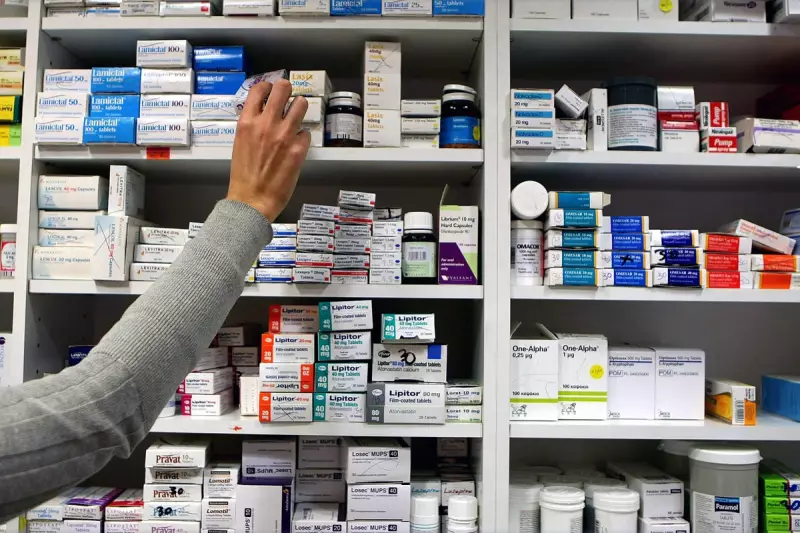
The United Kingdom has finalised a significant trade agreement with the United States, securing a zero-tariff arrangement on pharmaceutical products for the next three years. In return, the UK government has pledged to increase National Health Service spending on new medicines.
Details of the Bilateral Agreement
Import taxes on medicines and medical treatments will remain at 0% until at least the end of 2028, the UK Government confirmed on Monday 1st December 2025. This arrangement guarantees that UK pharmaceutical exports, valued at a minimum of £5 billion annually, will enter the US market without additional duties. Officials stated this is the lowest tariff rate offered by the US to any trading partner.
Concurrently, the Government has agreed to raise the cost-effectiveness threshold for approving new medicines by 25%. This policy shift means breakthrough treatments, such as those for cancer and rare diseases, which might previously have been declined, can now be made available to NHS patients sooner.

Addressing Industry Concerns and Investment
The deal comes after sustained pressure from US pharmaceutical firms and diplomatic warnings. Earlier in December, US ambassador Warren Stephens cautioned that further American businesses would cancel future investments in the UK unless changes were made rapidly. This tension was cited as a factor behind recent decisions by giants like Merck and AstraZeneca to pause or cancel UK investments.
As part of the new framework, the NHS drug price repayment rate will be lowered to 15% starting in 2026. This rate determines the amount drug manufacturers refund to the NHS to prevent overspending on branded medicines, and industry leaders had criticised the previous rate as unpredictably high.
Reactions and Future Implications
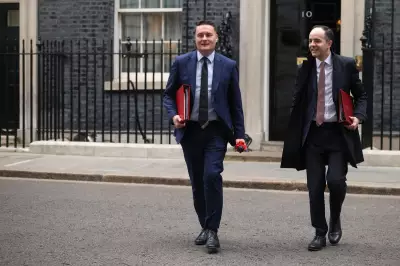
Science and Technology Secretary Liz Kendall hailed the pact, stating it would ensure UK patients receive cutting-edge medicines faster and support British firms in developing life-changing treatments. Business and Trade Secretary Peter Kyle emphasised the export security the deal provides for the UK's world-leading life sciences sector.
The Trump administration welcomed the agreement, suggesting it would spur further investment by UK drug companies in the US and create more jobs across the Atlantic.
The Association of the British Pharmaceutical Industry (ABPI) described the deal as a crucial step. Richard Torbett, chief executive of the ABPI, said: "It should also put the UK in a stronger position to attract and retain global life science investment and advanced medicinal research. These commitments begin to address industry concerns on NHS access to medicines."
The agreement represents a strategic effort to stabilise the UK's position as a global hub for pharmaceutical research and manufacturing, while addressing long-standing disputes over drug pricing and market access.