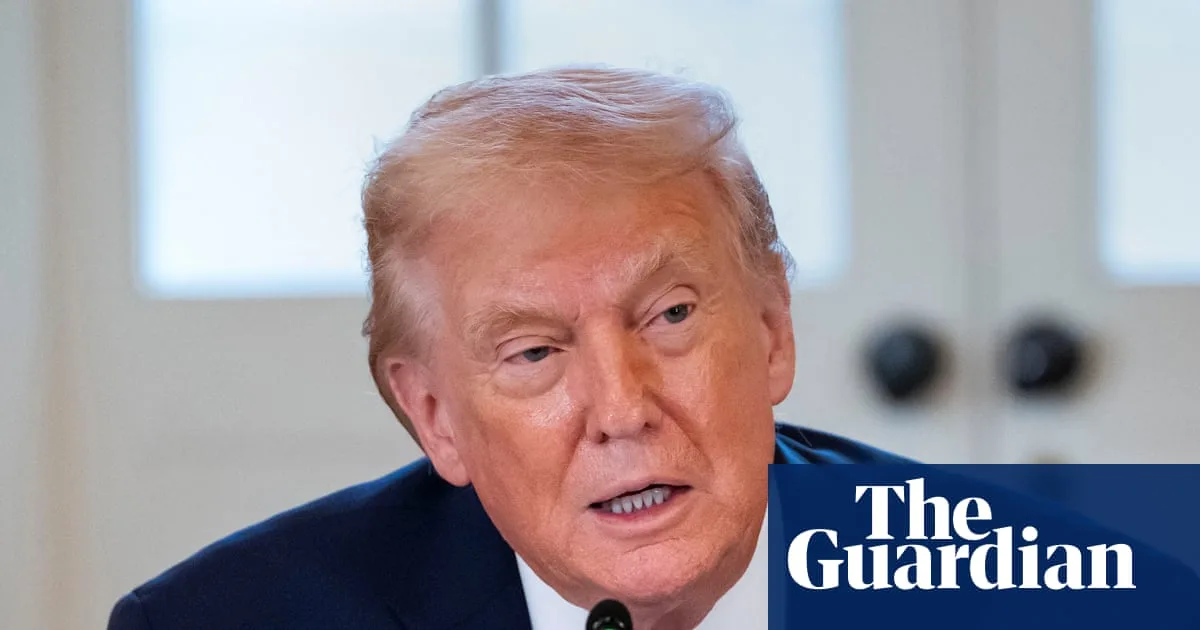
Donald Trump has finally released his long-awaited healthcare framework, titled the Great Healthcare Plan, almost a year and a half after he claimed to have 'concepts of a plan' during a pre-election debate. The document sets out four broad objectives but offers few specifics on how they will be achieved.
The plan aims to lower prescription drug prices and health insurance premiums, hold large insurance companies accountable by requiring them to publish claims costs, overheads and profits, and push for greater pricing transparency from insurers and medical providers. In a video released by the White House, Trump said the plan 'puts you first and puts more money in your pocket' and called on Congress to pass it into law without delay.
However, experts have criticised the framework for its lack of detail. Edwin Park, a research professor at Georgetown University, said the plan 'includes absolutely no detail even though the president and the administration have been promising a credible health plan within two weeks for many, many years.' He warned that the plan could increase the number of uninsured Americans, on top of the 10 million expected to lose coverage under the budget reconciliation law from last summer.
Cynthia Cox, senior vice-president at KFF, noted that some provisions resemble existing elements of the Affordable Care Act, such as price transparency and public data on claims denials. She added that the idea of sending taxpayer subsidies directly to individuals' health savings accounts rather than to insurers would require congressional approval, which is far from guaranteed despite Republican majorities in both chambers.
The plan makes no mention of further attempts to weaken the Affordable Care Act, but it includes policies that lawmakers may oppose. The framework also opposes extending the expiring ACA marketplace subsidies, which could leave millions uninsured or facing sharply higher premiums. Trump has hinted he might veto a bill that would extend those subsidies for three years.