Ozempic for Cats: New Implant Study Aims to Tackle Feline Obesity
Ozempic-Style Implant Study Launched for Obese Cats

Pet owners striving for a healthier new year may soon have a novel ally in managing their cat's weight, as a pioneering study tests a long-acting 'Ozempic-style' implant designed specifically for felines.

The Six-Month Implant for Feline Weight Management

San Francisco-based Okava Pharmaceuticals is poised to announce on Tuesday 2 December 2025 the launch of a pilot study investigating a GLP-1 drug for obese cats, as first reported by the New York Times. Unlike the weekly injections required for humans using drugs like Ozempic or Wegovy, the veterinary approach involves a more convenient method.

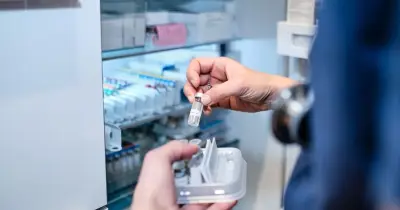
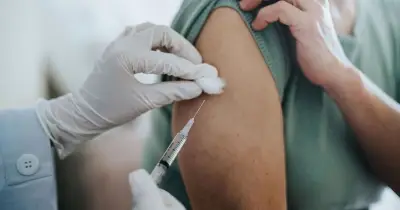
The cats enrolled in the study will receive a small injectable implant placed under the skin, described as slightly larger than a standard microchip. This device is engineered to release the medication gradually over an impressive period of up to six months. Researchers hope this low-maintenance alternative could significantly aid in combating the growing epidemic of pet obesity.

Rising Awareness of Pet Obesity in the UK and Beyond

The study comes at a time when awareness of pet weight issues is increasing. According to the Association for Pet Obesity Prevention, in 2024 only 55 percent of cat owners and 51 percent of dog owners believed their pet had an ideal body condition, a decline from the previous year.

Conversely, more owners are now recognising their pets as overweight. The data shows 33 percent of cat owners and 35 percent of dog owners identified their pet as overweight or obese in 2024, up from 28% and 17% respectively in 2023.

Cost, Benefits, and Veterinary Perspectives

Okava aims to price its GLP-1 implant at $100 per month or less, positioning it as comparable to high-end specialty pet foods. The company suggests it could save owners money in the long run by helping to prevent or manage diabetes, a common and costly consequence of obesity in cats.

Dr. Chen Gilor, the veterinarian at the University of Florida leading the study, expressed strong optimism, telling the NYT that the implant seemed like "magic" and criticising current diabetes management: "Diabetes is technically completely treatable, and we are doing such a lousy job treating it." Diabetic pets often require twice-daily insulin injections, and many are euthanised within a year due to the treatment's cost and intensity.

However, some experts urge caution. Dr. Andrew Bugbee, a veterinary endocrinologist at Texas A&M, noted that while some vets use human GLP-1 drugs off-label, their high cost and limited effectiveness in advanced cases are hurdles. He suggested that targeting prediabetic, obese pets with affordable, pet-specific formulations might be a more effective strategy.

A further consideration is the emotional bond between owner and pet. Dr. Maryanne Murphy, a veterinary nutritionist at the University of Tennessee, highlighted that feeding is a primary way owners show affection. This was a noted issue with Slentrol, an older canine appetite suppressant, where owners disliked its effect on this interaction.

Results from Okava's pilot study are anticipated by next summer. If successful, this research could indeed open a new frontier for GLP-1 drugs in veterinary medicine, offering a revolutionary tool for managing weight and related health conditions in companion animals.