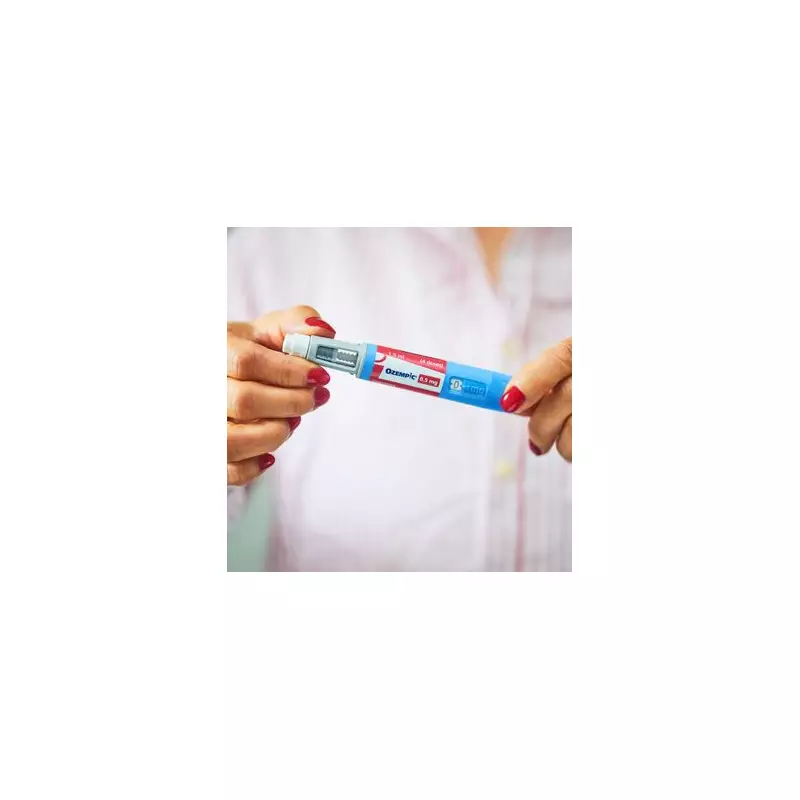
A registered nurse from the United States is confronting serious federal charges after allegedly administering counterfeit versions of the diabetes and weight-loss medication Ozempic to patients.
The Allegations and Charges
Sharon Charitine Sackman, 52, originally from Chicago, appeared in a federal court in the city this week, where she pleaded not guilty to multiple charges. The allegations, dating back to 2023, state that she provided three individuals with injections falsely presented as the legitimate drug Ozempic.
Prosecutors assert that the medication was not manufactured by the genuine drugmaker, Novo Nordisk, and critically, did not contain semaglutide. Semaglutide is the active ingredient in Ozempic, approved for treating type 2 diabetes but widely sought for its weight-loss effects.

Sackman faces one count of distributing misbranded drugs and three counts of dispensing counterfeit drugs. Each count carries a potential maximum sentence of up to one year in prison, meaning a total of up to four years if convicted on all charges.
Exploiting a Lucrative Shortage
The case highlights the dangerous underground market that has flourished amid a global shortage of Ozempic and similar drugs like Wegovy. Soaring demand, driven significantly by off-label use for weight management, has created a fertile ground for illegal alternatives.
Federal officials allege that Sackman, despite being a registered nurse, was not licensed to prescribe, dispense, or sell such medication. They claim she exploited the intense demand by supplying drugs labelled as Ozempic outside approved medical channels.
The counterfeit products allegedly posed significant health risks to patients who believed they were receiving a legitimate treatment. The U.S. Attorney's Office emphasised that the charges are currently allegations, and Sackman is presumed innocent unless proven guilty in court.
Legal Proceedings and Wider Warnings
Sackman, who now resides in Playa del Carmen, Mexico, was arrested and brought to court in Chicago. A further hearing in her case is scheduled for February 3 before Judge Laura K. McNally.
In a statement, the U.S. Department of Justice reminded the public that a charging document is not evidence of guilt and that the government bears the burden of proof at trial.
The scandal coincides with growing concern from medical aesthetics professionals about the physical side effects of rapid weight loss from such medications. Experts like British aesthetic specialist Roy Cowley warn that drastic weight reduction can lead to a gaunt appearance, with sunken cheeks, sagging skin, and more prominent wrinkles, as the skin often fails to 'bounce back'.
This case serves as a stark warning about the perils of sourcing prescription medications from unregulated and unauthorised sources, where patient safety is profoundly compromised for profit.