Shares in Danish pharmaceutical heavyweight Novo Nordisk have suffered a dramatic collapse, plummeting by nearly one-fifth in value following a stark warning about the company's financial outlook for 2026. The maker of blockbuster weight loss treatments Wegovy and Ozempic delivered a surprise after-market announcement on Tuesday forecasting significant declines in both sales and underlying earnings.
Forecasted Declines Amid Pricing Pressures
Novo Nordisk revealed that both sales and underlying earnings are projected to fall by between 5% and 13% this year, despite the recent US launch of its new Wegovy pill formulation. Chief executive Mike Doustdar cautioned that the firm faces substantial pricing pressures as competition from cheaper rival products intensifies across global markets.
The company's 2025 financial results showed earnings had already slipped by 1% to 127.7 billion Danish kroner (£14.8 billion), even as net sales experienced a modest 6% increase. This disappointing performance has been compounded by the challenging outlook for the coming year.

Eli Lilly's Contrasting Fortunes
While Novo Nordisk struggles, its closest competitor Eli Lilly is enjoying remarkable success. The American pharmaceutical giant released full-year results on Wednesday showing pre-tax earnings more than doubled to $25.73 billion (£18.8 billion).
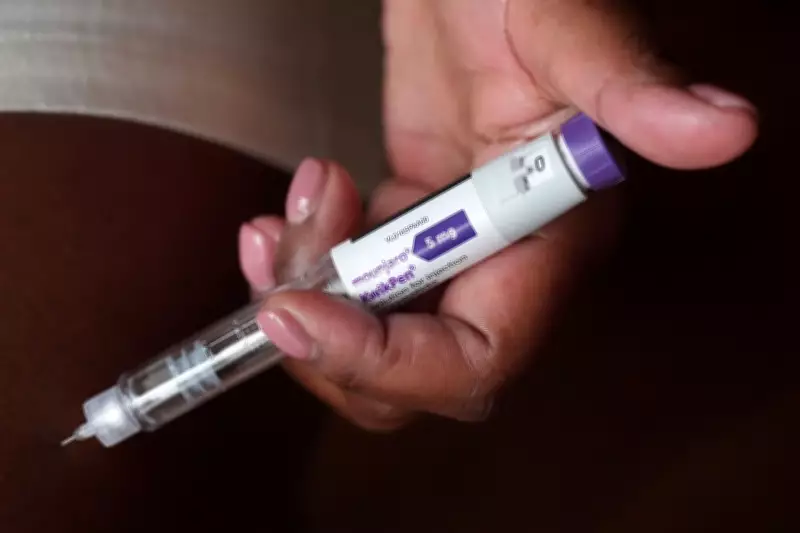
Sales of Eli Lilly's blockbuster weight loss drug Mounjaro doubled to $23 billion (£16.8 billion) in 2025, with the final three months alone witnessing an extraordinary 110% surge. The company's shares jumped 8% on Wednesday afternoon as it projected revenues would grow again to between $80 billion and $83 billion (£58.5 billion to £60.6 billion) in 2026, up from $65.2 billion (£47.6 billion) in 2025.
Market Dynamics and Competitive Landscape
Dan Coatsworth, head of markets at investment platform AJ Bell, commented on the shifting dynamics within the weight loss drugs sector. "The weight-loss drugs market has exploded in what many people are calling the biggest opportunity in the healthcare industry for decades," he observed.
"Even though the market is dominated by just two players, one of them is feeling more pain than gain. Novo Nordisk has fallen behind with efforts to improve the efficacy of its treatments, leaving Eli Lilly to gobble up market share."
Coatsworth further noted that "drug prices are coming down more broadly across the areas in which Novo specialises, and competition is growing. It has put the company in a difficult situation, and investors are unhappy, particularly as the healthcare sector more broadly has enjoyed a strong rally since last summer following three years in the doldrums."
Regulatory and Pricing Challenges
Prices have come under additional pressure for both major players after Novo Nordisk and Eli Lilly agreed to a plan aimed at appeasing US President Donald Trump. The agreement involves reducing prices across their product ranges and expanding access for those covered by health insurance in America.
Novo Nordisk stated that its sales outlook is "impacted by lower realised prices, including impacts related to the 'Most Favoured Nations' agreement in the US and the patent expiry of the semaglutide molecule in certain international operations markets, as well as competition."
Mr Doustdar added: "In 2026, Novo Nordisk will face pricing headwinds in an increasingly competitive market. However, we are very encouraged by the promising early uptake from the US launch of Wegovy pill, and we remain confident in our ability to drive volume growth over the coming years."
The contrasting fortunes of these two pharmaceutical giants highlight the volatile nature of the rapidly expanding weight loss drug market, where competitive advantages can shift dramatically based on product efficacy, pricing strategies, and regulatory developments.