European Regulators Approve New Sleeping Sickness Pill for African Use
European drug regulators have given their official endorsement to a groundbreaking new treatment for sleeping sickness, marking a significant milestone in the global fight against this neglected tropical disease. The approval is expected to pave the way for widespread use across Africa, particularly in Congo where the disease burden remains highest.
A Simpler, More Accessible Treatment
The European Medicines Agency committee has formally approved acoziborole, a medication developed by pharmaceutical giant Sanofi. This decision represents a crucial step toward making the medicine available in Congo, the country reporting the most sleeping sickness cases globally, and subsequently across other African nations.
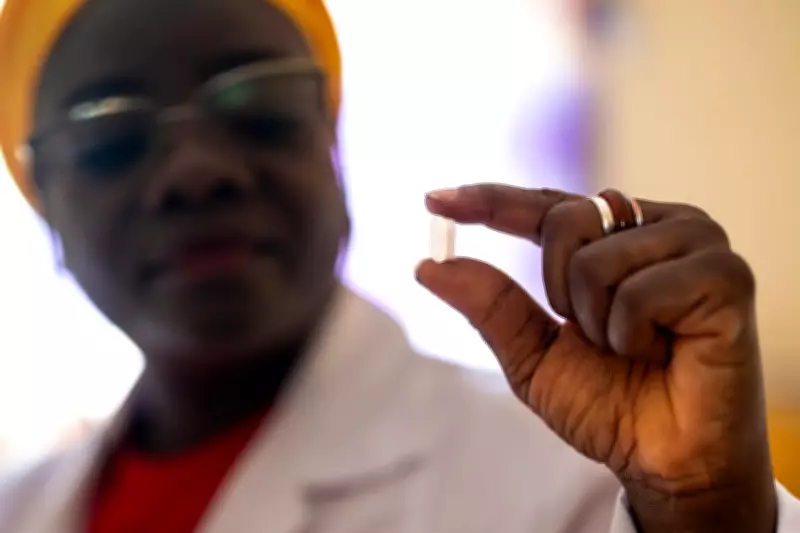
Proponents of the new treatment highlight its remarkable simplicity compared to existing regimens. Just three pills taken together as a single dose offer a far more accessible alternative to current treatments that often require arduous journeys to distant hospitals and complex medical procedures.

Dr. Junior Matangila of the Drugs for Neglected Diseases initiative emphasized the timing of this development, stating, "This disease is on the brink of elimination, and the new drug could accelerate progress toward finishing the job." The international organization focuses specifically on developing treatments for neglected diseases that receive insufficient research attention.
A Potential Historic Achievement
Sanofi officials noted an extraordinary possibility: if sleeping sickness could be eliminated through this new treatment, it might represent the first time an infectious disease has been eradicated without using a vaccine. This would mark a historic achievement in global public health.
However, researchers caution that challenges remain. Monica Mugnier, a sleeping sickness researcher at Johns Hopkins University, acknowledged the drug represents a major treatment improvement but noted uncertainty about how transformative its approval will prove. "This isn't solved yet," she emphasized, pointing to lingering questions about where disease-causing parasites might still be lurking in affected populations.
The Nature of Sleeping Sickness
Sleeping sickness, medically known as human African trypanosomiasis, is fundamentally a disease of poverty according to experts. Spread exclusively by tsetse flies found in rural, sub-Saharan Africa, the disease begins with vague, flu-like symptoms before progressing as parasites multiply and spread throughout the body, including into the nervous system.
The namesake symptom involves a reversed sleep cycle where sufferers remain awake at night but experience daytime drowsiness. Without treatment, the disease can progress to coma and death. Researchers have struggled to develop effective vaccines because the microscopic parasite possesses a unique ability to alter its protein coat, making it difficult to design lasting immune defenses.
Historical Context and Current Situation
The battle against sleeping sickness has seen significant fluctuations over decades:
- Cases surged during the 1970s and 1990s amid political and economic instability in sub-Saharan Africa
- Traditional medications were often toxic and painful to administer
- Treatment improvements in the early 2000s led to dramatic declines in reported infections
- Reported cases dropped below 10,000 for the first time in fifty years by 2009
- Only about 600 cases of the most common form were reported in 2024, though undiagnosed infections likely exist
The World Health Organization has established an ambitious goal to stop transmission of this form of sleeping sickness by 2030. Current treatments typically require 10-day regimens and difficult hospital visits from remote villages, often involving spinal taps to determine infection stages and appropriate medications.

Clinical Evidence and Commitment
Acoziborole's approval follows a pivotal study involving approximately 200 patients in Congo and Guinea. The research demonstrated that more than 95% of treated patients were considered cured 18 months after receiving the single-dose treatment. Sanofi used this compelling data as the foundation for their approval application.
The new medication offers several advantages:
- It can be used for patients aged 12 and older
- It treats both early and advanced-stage infections
- It eliminates the need for spinal taps to determine treatment protocols
In a significant commitment to global health equity, Sanofi has pledged to donate doses to the World Health Organization, ensuring the treatment will be provided free of charge to patients across affected regions.