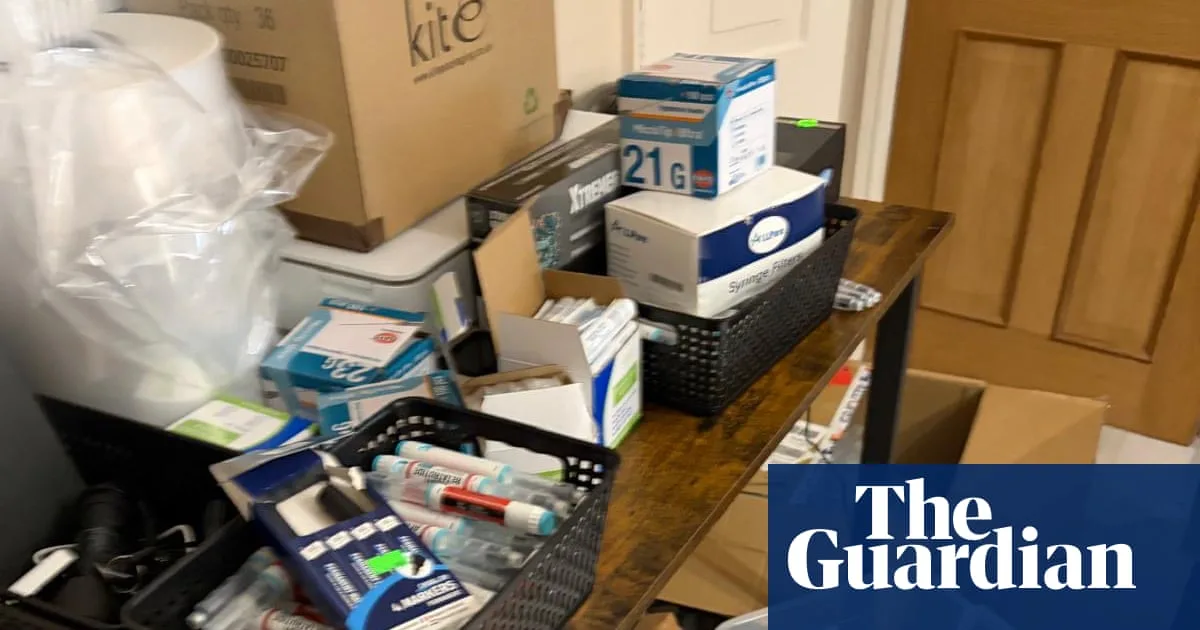
An investigation has revealed that a company connected to one of the world's largest seizures of illicit weight-loss drugs is still actively selling unlicensed and potentially dangerous products to UK customers. This comes despite a major raid by the UK's medicines regulator.
The Northampton Raid and Ongoing Sales
In October, the Medicines and Healthcare products Regulatory Agency (MHRA) executed a raid on a site in Northampton. Officers confiscated a vast haul, including more than 2,000 counterfeit and unlicensed pens containing the weight-loss drugs retatrutide and tirzepatide, all branded with the name Alluvi. The seizure, valued at around £250,000, also included tens of thousands of empty pens, raw ingredients, packaging equipment, and approximately £20,000 in cash suspected to be linked to medicine trafficking.
Remarkably, over a month later, Alluvi Healthcare Limited continues its operations. The Guardian found the company still selling replicas of retatrutide via multiple Telegram channels, one boasting nearly 3,000 subscribers. As recently as 27 October, after news of the raid broke, a channel advertised Alluvi-branded pens, stating "we are still fully in stock via telegram". Its website remained active into December, offering bundles for sale.
Serious Health Risks and Deceptive Practices
Purchasing these drugs carries significant dangers. Retatrutide is an experimental injection developed by Eli Lilly that has not completed clinical trials and is not approved for public use. Products sold through these channels are unregulated, meaning they may contain incorrect ingredients, wrong dosages, or be improperly sterilised.
Experts warn that contaminated or incorrectly dosed hormones can lead to infections, dangerous blood sugar crashes, pancreatitis, and cardiovascular issues. One anonymous buyer of an Alluvi pen reported severe gastrointestinal problems, unstable energy levels, and dehydration.
The company employs deceptive methods to avoid detection. Evidence suggests payments are processed by an e-commerce firm called Nutri Collectiv, with transactions masquerading as purchases for a "weight loss plan" through Stripe. A video on one Telegram channel even appears to show a Royal Mail employee assuring buyers about next-day delivery for Alluvi orders.
Social Media Sabotage and Storage Concerns
The investigation uncovered aggressive tactics to silence critics. A Channel 4 report found that individuals who spoke out against Alluvi had their social media accounts hijacked. Fake TikTok accounts impersonated legitimate influencers who had criticised counterfeit drugs, leading to the shutdown of the real accounts. Five weight-loss affiliates lost their TikTok profiles this way.
Further risks are highlighted during winter, as improper storage can compromise the drugs. Jason Murphy, head of pharmacy at Chemist4U, explained that these biologic drugs are highly sensitive to temperature. "Extremely cold temperatures or freezing can damage their protein structure, reduce their medicinal effect, and potentially make them unsafe to use," he said, advising immediate disposal of any injection suspected of being frozen.
Despite the ongoing sales and the evidence gathered, it is understood that nobody has yet been arrested in connection with the October raid. The MHRA declined to comment on the case.