The family of a 13-year-old girl from East Sussex have made an urgent public appeal to find a stem cell donor, after she was diagnosed with an exceptionally rare and life-threatening blood disorder just days after her birthday.
A Diagnosis That Changed Everything
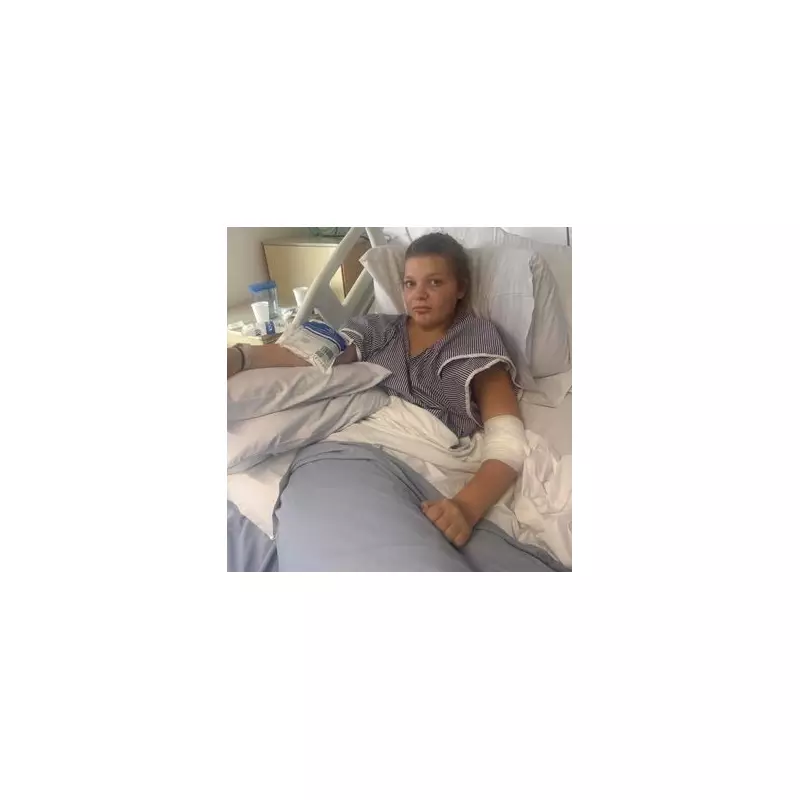
Millie Fairley from Eastbourne began experiencing headaches, unexplained bruising, and fainting spells. Concerned, her GP sent her for blood tests. While awaiting the results, her mother, Hayley Fairley, 47, noticed a slight rash and rushed her daughter to A&E.
Following a series of additional tests, including X-rays and an MRI, Millie received the devastating diagnosis: aplastic anaemia. This condition, which affects only around two people in every million in the UK, means her bone marrow cannot produce enough new blood cells. This leaves her body unable to fight infection effectively, stop bleeding, or carry oxygen normally.

"We're completely devastated," said Ms Fairley. "To be told that your child has a life-threatening condition is the worst possible news. It's entirely changed our lives overnight." Millie was transferred to King's College Hospital in London and now receives regular treatment at Brighton Royal Children's Hospital.
Isolation and a Race Against Time
The diagnosis has forced the teenager into isolation, either at home or in hospital, to protect her from infections. "My little girl should be starting teenage life, but she's so vulnerable," her mother explained. "She can't see her friends, and it's been a really lonely time for her. We just want her to get better so that she can have her life back."
Medics have confirmed that a stem cell transplant is the required treatment. The search for a matching donor has so far been unsuccessful within the family. "I'm trying to be positive through it all, but it was so upsetting when none of the family were a match," Ms Fairley said. "I'm on edge waiting to see if we can find a matching donor. It's a huge amount of stress for all our family."
The Simple Act That Could Save a Life
The Fairley family is now working with the blood cancer charity DKMS to encourage more people to join the stem cell donor register. Ms Fairley sees spreading awareness as a source of hope: "I feel like getting the word out has given me some power to do something good in all this. Please think about signing up. It could change someone's life, maybe even my daughter's."
DKMS spokesperson Bronagh Hughes emphasised the simplicity of the process. "For Millie and patients like her, a total stranger joining the register could give them their lives back," she said. "Joining the register only requires a quick health questionnaire and a few simple and painless mouth swabs. It takes 10 minutes of your time."
She added that if a registered donor is matched to a patient, nine out of ten donations are made via a blood-based process, similar to donating platelets, with full support provided by the charity throughout the journey.
The family's message is clear: by registering, you hold the potential to offer a second chance at life. "You have a chance to do something so positive," urged Millie's mother.