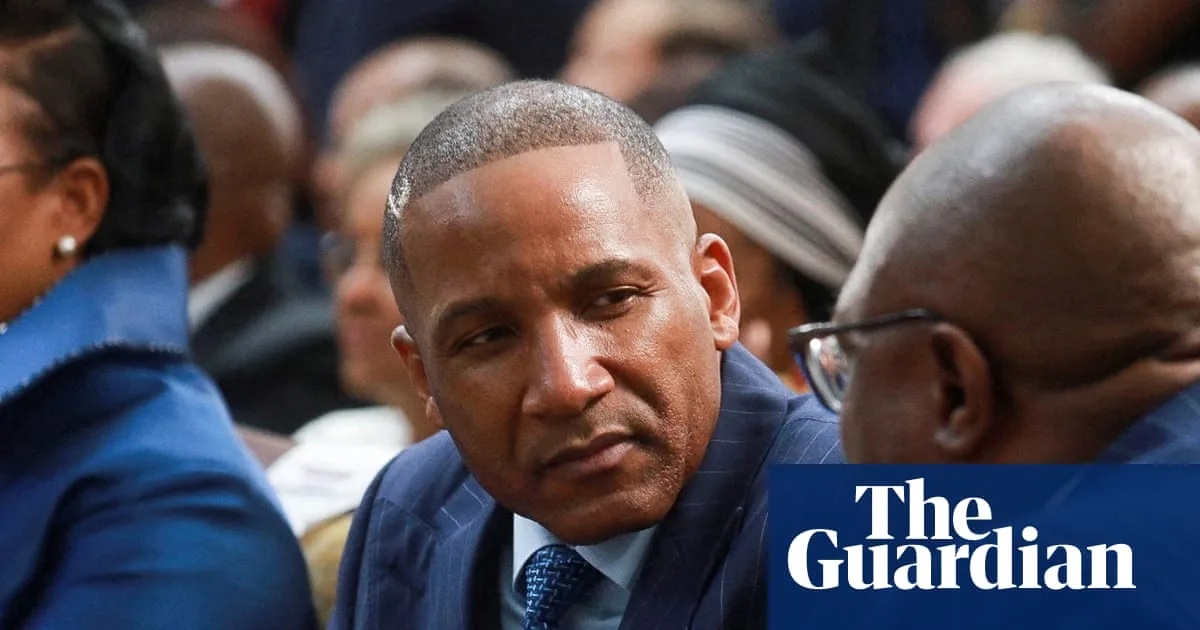
Botswana's President Duma Boko has declared a public health emergency due to severe shortages of essential medicines and medical supplies, triggered by a downturn in the global diamond market and cuts to US aid. The announcement follows the suspension of non-urgent surgeries on 4 August, with the Ministry of Health citing shortages of drugs for hypertension, diabetes, cancer, asthma, and eye conditions, as well as bandages, sutures, and sexual and reproductive health supplies.
In a televised address on Monday night, Boko announced an emergency funding package of 250 million pula (£13.8 million) for medicines, with distribution to be overseen by the military. He blamed the state procurement agency, Central Medical Stores (CMS), for inflating drug prices five to ten times, calling the situation unsustainable under current economic conditions. Boko noted that CMS had quoted 705 million pula for a year's supply of needed medicines, while a new emergency taskforce received a quote of less than 80 million pula.
Thabo Lucas Seleke, a University of Botswana lecturer, described the CMS as plagued by dysfunction, inertia, unmet reform pledges, and corruption allegations, citing auditor general reports flagging incomplete procurement records, missing contracts, and recurrent delivery delays. The crisis is compounded by Botswana's economic woes, with a three-year downturn in diamond prices—which accounted for about a quarter of GDP in 2024—leading to an estimated 3% economic contraction last year.

Zoë McCathie, an analyst at Signal Risk, noted that the diamond downturn has been more sustained than anticipated, leaving the state unprepared. The Ministry of Health stated on 4 August that it owes 1 billion pula to private health facilities and suppliers. Botswana, a world leader in tackling HIV/AIDS, has also been affected by US aid cuts announced in January, which previously funded about one-third of the country's HIV response—$55 million annually from Pepfar and $12 million via the Global Fund. Some Pepfar funding has since been restored.