Nipah Virus Outbreak: UK Health Alert for India Travellers
Nipah Virus: UK Health Alert for India Travellers

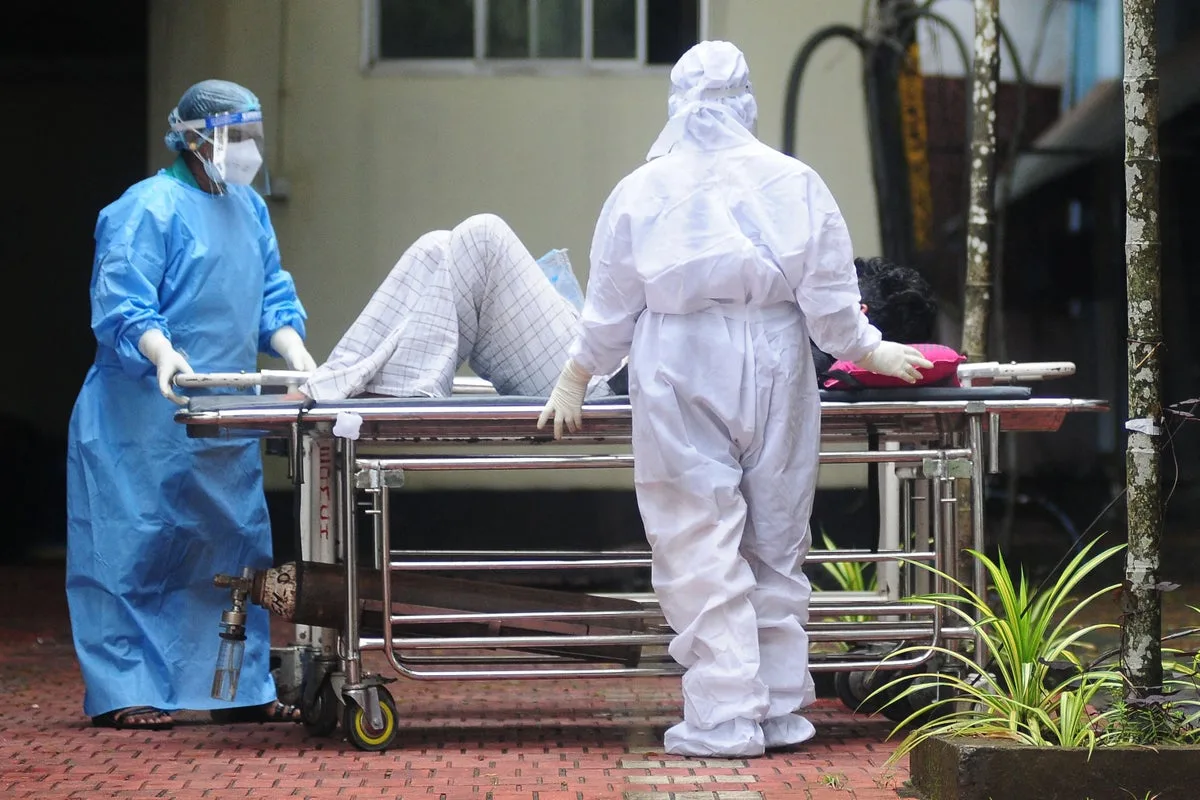
Health authorities in the United Kingdom have issued a fresh alert to travellers following the confirmation of a Nipah virus outbreak in India. The development has triggered significant international concern, leading several Asian nations to reintroduce health screening protocols at major airports reminiscent of measures seen during the Covid-19 pandemic.

Outbreak Details and International Response

On 13 January 2026, two confirmed cases of Nipah virus disease were reported in healthcare workers in Kolkata, West Bengal. This marks the ninth such outbreak in India since the virus was first identified in the country in 2001. In response to the public health threat, countries including Thailand, Pakistan, Nepal, and Taiwan have swiftly implemented enhanced health surveillance and screening procedures at international airports receiving flights from the affected region.

Understanding the Nipah Virus Threat

The Nipah virus is a zoonotic pathogen, meaning it is transmitted from animals to humans. Fruit bats are considered the natural reservoir host. Human infection typically occurs through direct contact with infected bats or consumption of food products contaminated by bat secretions, such as raw date palm sap. The World Health Organisation classifies Nipah as a serious infectious disease with a case fatality rate estimated between 40 and 75 percent.

Notably, the virus can be asymptomatic in some individuals, with an incubation period ranging from four to 21 days. When symptoms do manifest, they often begin with fever and headache, potentially progressing to respiratory difficulties, cough, dizziness, vomiting, and diarrhoea. In severe instances, the infection can lead to encephalitis or meningitis, which are inflammations of the brain and surrounding membranes.

Current Travel Advice and Precautions

As of now, the UK Foreign, Commonwealth & Development Office has not issued specific updated travel advice for India directly related to the Nipah outbreak. Its existing guidance continues to advise against all travel to areas within 10 kilometres of the India-Pakistan border and to the Union Territory of Jammu and Kashmir.

Risk Assessment and Protective Measures

The UK Health Security Agency has assessed the risk to tourists visiting endemic countries as very low, provided appropriate precautions are rigorously followed. Public health advice centres on minimising exposure to potential sources of the virus.

Travellers are strongly advised to adhere to the following protective measures:

  • Maintain excellent hand hygiene through frequent washing with soap and water.
  • Avoid consumption of raw date palm sap; ensure any date palm juice has been thoroughly boiled first.
  • Thoroughly wash and peel all fruits before eating.
  • Avoid contact with bats and areas like pig farms where fruit bats may be present.
  • If contact with potentially infected animals is unavoidable, use appropriate protective clothing.

Authorities in India confirmed on 27 January that all 196 contacts of the two initial cases had tested negative, indicating successful containment efforts thus far. However, vigilance remains paramount.

Geographical Prevalence and Vaccine Status

Outbreaks of Nipah virus in humans are predominantly identified in rural regions of South and Southeast Asia. India has experienced yearly outbreaks in Kerala since 2019, and Bangladesh has reported cases almost annually since 2001. Previous outbreaks have also been recorded in Malaysia, the Philippines, and Singapore. It is important to note that no cases of Nipah virus have ever been documented within the United Kingdom.

Currently, there is no commercially available vaccine or specific antiviral treatment for Nipah virus disease. Management focuses on supportive care and strict infection control practices to prevent further transmission.

The UKHSA emphasises that while the overall risk remains low for most travellers, understanding the virus and adhering to recommended precautions is crucial for anyone planning to visit areas where it is known to circulate.