Mutant H3N2 Flu Strain Sparks Fears of UK's Worst Ever Winter
Mutant Flu Strain Threatens UK's Worst Winter

Britain is bracing for what could be its most severe flu season on record, with health experts warning that a mutated strain of the virus is behind an alarming early surge in cases.

Officials fear the mutant flu, identified as H3N2, may be responsible for thousands of deaths this winter. Case numbers are already more than three times higher than at the same point in 2022, a spike largely driven by infections among school-aged children.

A 'Hotter and Nastier' Virus

Virologists believe the heightened threat stems from significant changes to the H3N2 strain. Over the summer, the virus underwent seven separate genetic mutations, transforming it into what scientists describe as a 'hotter' and 'nastier' pathogen.

Professor Nicola Lewis, Director of the World Influenza Centre at the Francis Crick Institute in London, stated: 'H3 is always a hotter virus, it's a nastier virus, it's more impactful on the population. We haven't seen a virus like this for a while, these dynamics are unusual. It does concern me, absolutely.'

Compounding the problem, this evolved H3N2 is substantially different from flu strains that have circulated in the UK in recent years. This means population immunity is lower, as people's bodies are less familiar with the virus, allowing it to spread more easily.

An Ominous Warning from Australia

The situation in the UK mirrors the recent experience in Australia, which often serves as a predictor for the Northern Hemisphere's flu season. Australia has just endured its worst flu season on record, with over 410,000 confirmed cases.

Professor Derek Smith, director of the centre for pathogen evolution at the University of Cambridge, reported that scientists detected a 'fast increase' in reports of the mutated H3N2 virus as early as June.

The virus's increased transmissibility is quantified by its reproduction rate, or R rate. For typical flu seasons, the R rate sits around 1.2. Early estimates for this year's H3N2 strain put the R rate at 1.4, meaning every 100 infected people could pass the virus to 140 others.

Intense Pressure on the NHS

The early and severe flu wave threatens to overwhelm an already strained National Health Service. Sir Jim Mackey, NHS England chief executive, warned there was 'no doubt' this winter will be one of the toughest the health service has ever faced.

Hospitals are already operating at capacity, with rising treatment waiting lists and patients facing long waits for care. The added burden of a severe flu epidemic could push the system to its limits.

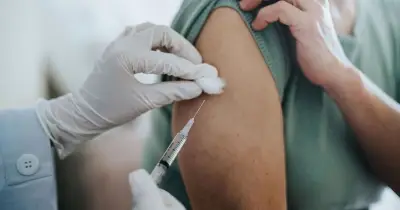
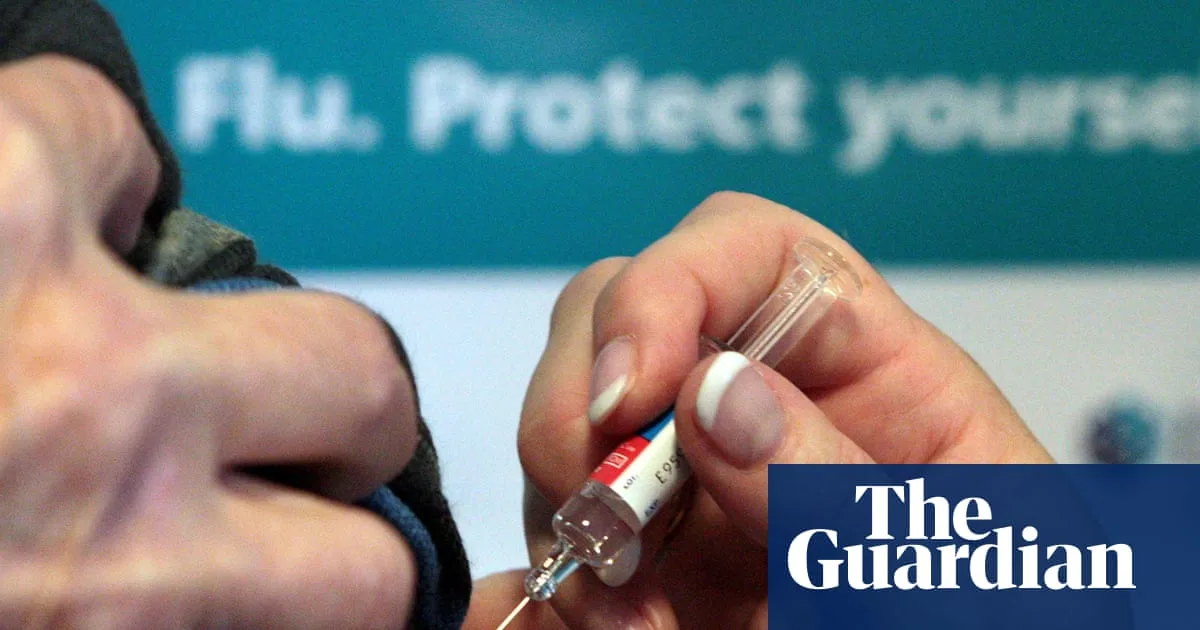
In response, the NHS has launched an extensive vaccination campaign. Pop-up flu jab centres are appearing in locations such as sports halls, fire stations, and bowling alleys in an effort to get ahead of the virus.

The annual vaccination programme in England, which began on October 1, offers free vaccines to:

  • Anyone aged 65 and over
  • Those under 65 in clinical risk groups
  • Care home residents and carers
  • Pregnant women
  • Close contacts of immunosuppressed individuals
  • Front-line health and social care workers
  • Children

Those not in eligible groups can get vaccinated privately at a pharmacy for approximately £20.

The Vaccination Challenge

There is one significant complication with this year's flu vaccine. The decision on its design was made in February, as per standard protocol, to allow time for mass production. However, the mutant H3N2 variant did not appear until June, meaning the vaccine is not a perfect match and may not offer full protection.

Despite this, experts strongly urge all eligible people to get vaccinated. Professor Punam Mangtani, an epidemiologist at the London School of Hygiene & Tropical Medicine, explained: 'Flu strains evolve rapidly, so even if you've had flu or the flu vaccine previously, it's important to still get the vaccine each year, as your natural immunity may not be as effective.'

The vaccine is still expected to lessen the severity of symptoms, reducing the risk of hospitalisation and death. Professor Stephen Griffin, a virologist at the University of Leeds, emphasised that 'increasing vaccine uptake can prevent susceptibility to severe infection from becoming too big'.

With the new, more aggressive flu strain already circulating, health officials have issued a 'flu jab SOS', urging the public not to delay in getting protected against what could be a historically difficult winter.