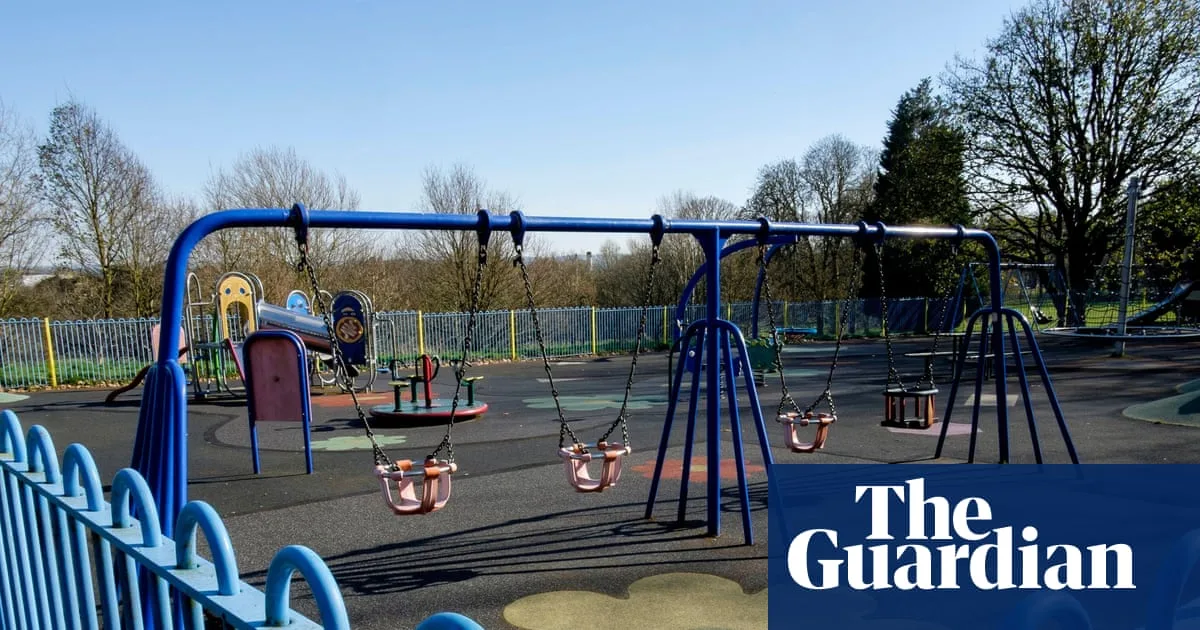
Children were prevented from playing outside during the pandemic partly because their activity looked 'like fun' and did not align with the seriousness of the restrictions, the UK Covid inquiry has heard. Alice Ferguson, founding director of Playing Out, told the inquiry that play is fundamental to children's health and wellbeing, yet during lockdowns, police ordered children indoors for playing in the street or having a kickabout, and some parents were fined.
In one case, two brothers living in a high-rise flat in central London were told by police to stop building a snowman in January 2021. Ferguson said the incident had a lasting impact on one of the boys, who remains socially anxious. She argued that the problem stemmed from the government's messaging, particularly Boris Johnson's announcement on 23 March 2020, which permitted one form of daily exercise but only mentioned adult activities like running, walking, or cycling.
'By not explicitly mentioning children and play in those guidelines, the prime minister gave the impression that only adult forms of exercise were permitted,' Ferguson said. 'Play does look like fun and that does not fit with the seriousness of the guidelines. But for children, play is serious.' The inquiry, in its second day of module 8 focusing on children, heard that children's rights were frequently overlooked in the pandemic response.
Dr Carol Homden, chief executive of Coram children's charity, highlighted how restrictions affected vulnerable children. Children awaiting adoption lost opportunities as matching services were interrupted, with some 'aging out' of the system. Unaccompanied asylum-seeking children arriving in the UK faced isolation for 14 days, and hundreds went missing from hotels. 'I don't think we've even begun to understand what's happened to those children,' Homden said.
The inquiry continues for four weeks, with calls for a dedicated cabinet minister for children to ensure their interests are represented at the highest level of government.