

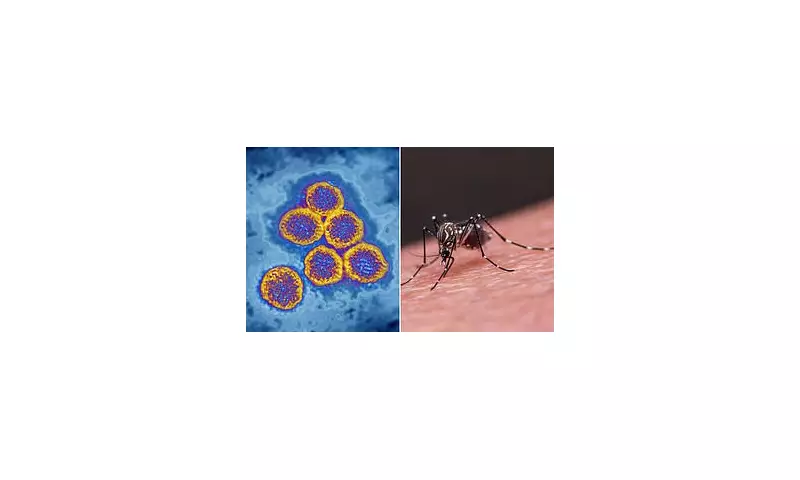
Health officials in Australia have issued a summer warning after confirming the presence of a potentially deadly mosquito-borne virus in regional Victoria. The Japanese encephalitis virus (JEV) has been identified in mosquitoes captured in a monitoring trap at Horsham, in the state's west.
First Detection of the Season Prompts Action
This discovery marks the first detection of the virus in Australia for the current season. In response, authorities are now collaborating closely with the Horsham local council to treat known mosquito breeding sites in an effort to reduce the risk to the public.
The Japanese encephalitis virus is transmitted to humans through the bite of an infected mosquito and cannot spread directly from person to person. While most people infected experience no symptoms or only a mild illness, the virus can, in rare cases, lead to a serious brain infection known as encephalitis. This severe outcome can cause permanent neurological damage and has proven fatal.

Understanding the Risks and Symptoms
Victoria's Chief Health Officer, Dr Caroline McElnay, emphasised the serious health threat. "Mosquito-borne diseases like Japanese encephalitis can have serious health impacts," she stated. Dr McElnay advised that simple protective actions are crucial for reducing risk.
Symptoms, if they appear, can develop up to two weeks after a bite and may initially include:
- Fever
- Headache
- Vomiting
In severe cases, these can progress to confusion, seizures, and even paralysis.
At least 15 fatalities from JEV have been recorded in Australia, including two in New South Wales earlier this year. The virus was historically contained to northern Australia until a significant outbreak in 2022, linked to domestic pigs, saw it spread to multiple states including Victoria, NSW, and South Australia.
How to Protect Yourself This Summer
Authorities are urging people, particularly those working, camping, or spending time outdoors in regional areas—especially near rivers in northern Victoria—to take precautions. Key recommendations include:
- Using insect repellent containing DEET, picaridin, or oil of lemon eucalyptus.
- Wearing long, loose-fitting clothing.
- Limiting outdoor activity at dawn and dusk when mosquitoes are most active.
- Removing stagnant water around homes and properties to eliminate breeding sites.
A free vaccine is available for eligible individuals living in impacted regions and for those with an increased risk of exposure. For people with ongoing risk, a booster dose is recommended every one to two years.
The public is advised to remain vigilant throughout the summer months and to seek medical advice if they develop concerning symptoms after potential exposure.






