Thirty US states have entered the highest category for flu activity, according to the latest data from the Centers for Disease Control and Prevention (CDC). Health officials warn that the severe season is likely to intensify further.
New government figures released Monday, covering flu activity through the week of Christmas, show that by some measures this season already surpasses last winter's epidemic, one of the harshest in recent history. Forty-five states reported high or very high flu activity during the Christmas week, up from 30 states the previous week.
The dominant strain this season is influenza A H3N2, which historically causes the most hospitalisations and deaths among older people. More than 90% of H3N2 infections analysed are a new variant, the subclade K strain, which differs from the strain included in this year's flu vaccine. This mismatch may be contributing to the surge, experts say.

COVID-19 infections have also been rising, though they remain less common than flu. The CDC estimates at least 11 million flu illnesses, 120,000 hospitalisations and 5,000 deaths have occurred this season. Nine paediatric flu deaths have been reported so far.
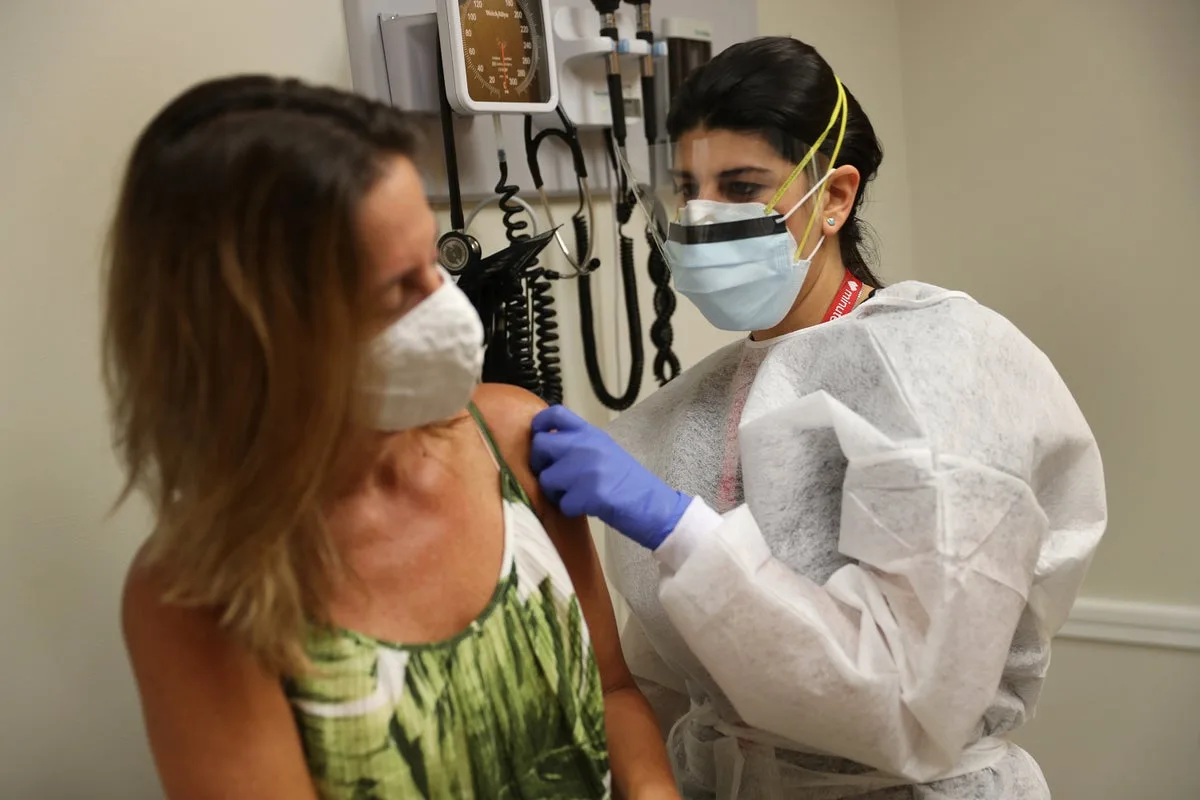
The agency recommends that everyone aged six months and older who has not yet been vaccinated get an annual flu shot. Flu seasons often do not peak until January or February, so it remains too early to assess the full impact of the vaccine mismatch.