Climate change may make the UK vulnerable to insect-borne tropical diseases previously confined to hot countries, scientists have warned. They urge ministers to bolster efforts to contain these diseases abroad, as cuts to international aid could undermine surveillance and control programmes in endemic regions.
The UK Health Security Agency recently detected West Nile virus in UK mosquitoes for the first time, though no human transmission has been found and the risk to the public is low. West Nile virus, like dengue, chikungunya and Zika, was once limited to hotter areas but global heating has expanded its range into cooler parts of Europe. In 2024, Europe saw over 1,400 locally acquired West Nile cases and several hundred dengue cases, mainly in France and Italy.
Dr Robert Jones of the London School of Hygiene and Tropical Medicine warned that in extreme warming scenarios, dengue and chikungunya outbreaks in Europe could increase fivefold by the 2060s. He noted that while a dramatic surge is unlikely, climate change is making the UK more hospitable to disease-transmitting insects. Projected temperature rises could lead to West Nile virus epidemics by the second half of the century.

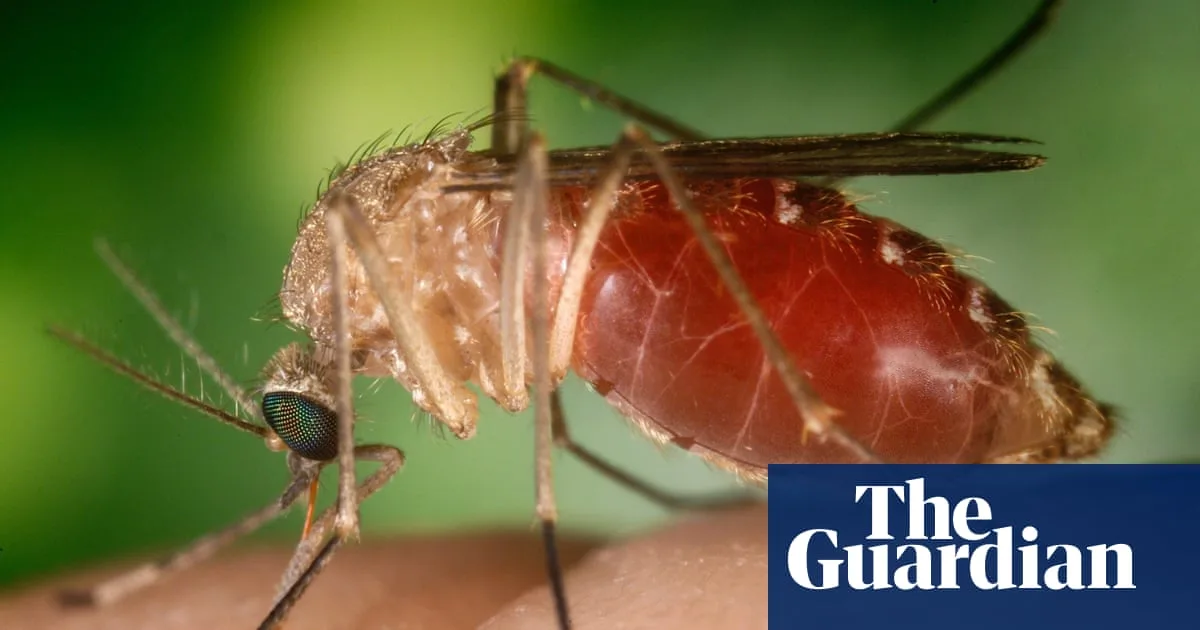
For tropical diseases to become established, infected individuals must be bitten by appropriate mosquitoes, which then pass the virus to others. Currently, the UK lacks sufficient numbers of key mosquito species, such as the Asian tiger mosquito for dengue and Zika, and Culex species for West Nile. However, as temperatures rise, local mosquito populations are changing, potentially enabling local transmission, especially in southern England.
Experts stress that the best defence is tackling these diseases internationally. Professor Heather Ferguson of the University of Glasgow said the government's aid cuts will cause a collapse in crucial programmes, leading to more deaths. She emphasised that infectious diseases have no borders, and investing in global elimination efforts is key to protecting the UK. Professor Tom Solomon added that controlling mosquito-borne diseases overseas reduces the chance of them spreading to the UK.