

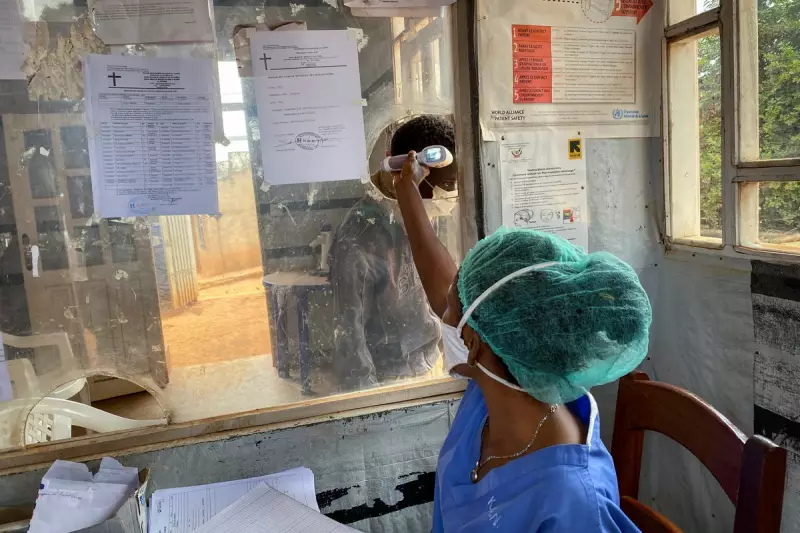
The Democratic Republic of Congo has officially declared the end of its latest Ebola outbreak, which claimed 43 lives in one of the country's southern provinces. Health authorities confirmed the conclusion after a mandatory 45-day period with no new confirmed cases.
Outbreak Details and Response
Health Minister Roger Kamba announced the news in the capital, Kinshasa, on Monday, 1st December 2025. The outbreak, which was first detected in September in the town of Bulape within Kasai province, resulted in 53 confirmed cases and 43 fatalities. The virus managed to spread to at least four neighbouring towns before being contained.
Kamba credited a swift and extensive vaccination campaign for halting the virus's transmission. More than 27,000 people received vaccinations, including 4,000 front-line health and response workers who were pivotal in managing the crisis. "Indeed, no new confirmed cases have been recorded for 45 consecutive days," Minister Kamba stated.

A Recurring Threat in a Troubled Region
This marked the nation's 16th encounter with Ebola since the virus was first identified there in 1976. For Kasai province specifically, it was the seventh such outbreak. The declaration brings relief but also highlights the persistent vulnerability of the region to zoonotic diseases.
The World Health Organization, a key partner in the response, initially faced significant hurdles. Limited access to the affected areas and scarce funding complicated the urgent task of delivering the Ebola vaccine to those at risk. This outbreak served as a stark reminder of the devastating potential of the virus, coming just years after an epidemic in eastern Congo from 2018 to 2020 that killed more than 1,000 people.
Overlapping Crises Challenge the Nation
The latest health emergency added a fresh layer of complexity for the Central African nation, which is simultaneously grappling with severe security challenges. The country has been battling the M23 rebel group, which launched a rapid assault in January in the eastern region and has since occupied key cities. This ongoing conflict diverts resources and complicates humanitarian and health responses across Congo.
The successful containment of this Ebola outbreak demonstrates that effective intervention is possible even in difficult circumstances. However, it underscores the continuous need for robust disease surveillance, ready funding, and international cooperation to prevent future outbreaks from reaching the scale of past tragedies.






